Building culturally responsive care teams: supporting CALD participants in the NDIS
Australia is one of the most culturally diverse countries in the world. Many National Disability Insurance Scheme participants come from culturally and linguistically diverse (CALD) backgrounds, each with unique communication styles, traditions, beliefs, and support preferences. For these individuals, receiving care that respects their cultural identity is not optional — it is essential for wellbeing, trust, and positive engagement.
This makes culturally responsive NDIS care a fundamental responsibility for disability providers. It ensures participants not only receive practical support but also feel safe, seen, and understood.
At Pathway Talent, we help NDIS providers build diverse, culturally aware support teams who can respond respectfully and effectively to the needs of CALD participants. When workers understand cultural expectations, communication nuances, and family dynamics, the quality of care improves dramatically.
Why cultural responsiveness is essential in the NDIS
CALD participants may face unique challenges, such as:
- Language barriers
- Limited understanding of Australian healthcare or disability systems
- Cultural stigma around disability
- Different communication norms
- Religious considerations
- Strong family-centred decision-making structures
If support workers do not recognise these factors, it can lead to misunderstandings, distrust, disengagement, or reduced progress towards goals.
Culturally responsive NDIS care addresses these challenges by ensuring support is delivered in a way that aligns with the participant’s identity, values, and lived experience.
1. Communication that respects culture and language
Effective communication is the foundation of good support. For CALD participants, communication may require adjustments such as:
- Using interpreters (professionally trained, not family members)
- Speaking slowly and clearly
- Being aware of tone and non-verbal cues
- Confirming understanding rather than assuming it
- Using translated resources
- Respecting cultural variations in eye contact or physical touch
Support workers trained in culturally aware communication reduce confusion and build stronger trust.
2. Understanding cultural expectations around disability
Different cultures view disability in different ways. In some communities, disability carries stigma; in others, it is seen through a spiritual or familial lens.
Culturally informed support workers understand:
- How families perceive disability
- Who makes decisions in the household
- What level of independence is culturally appropriate
- How to respect family roles during care delivery
This ensures support is delivered in a way that honours the participant’s cultural perspective.
3. Providing care that respects religious and cultural practices
NDIS care often involves personal activities such as hygiene support, meal preparation, or daily routines. These tasks must align with cultural expectations.
Support workers should be aware of:
- Dietary restrictions
- Religious observance times
- Appropriate gender of support workers
- Preferred clothing or modesty needs
- Important cultural events and holidays
Respecting these practices helps participants feel comfortable and supported in a culturally safe environment.
4. Building a diverse and culturally trained workforce
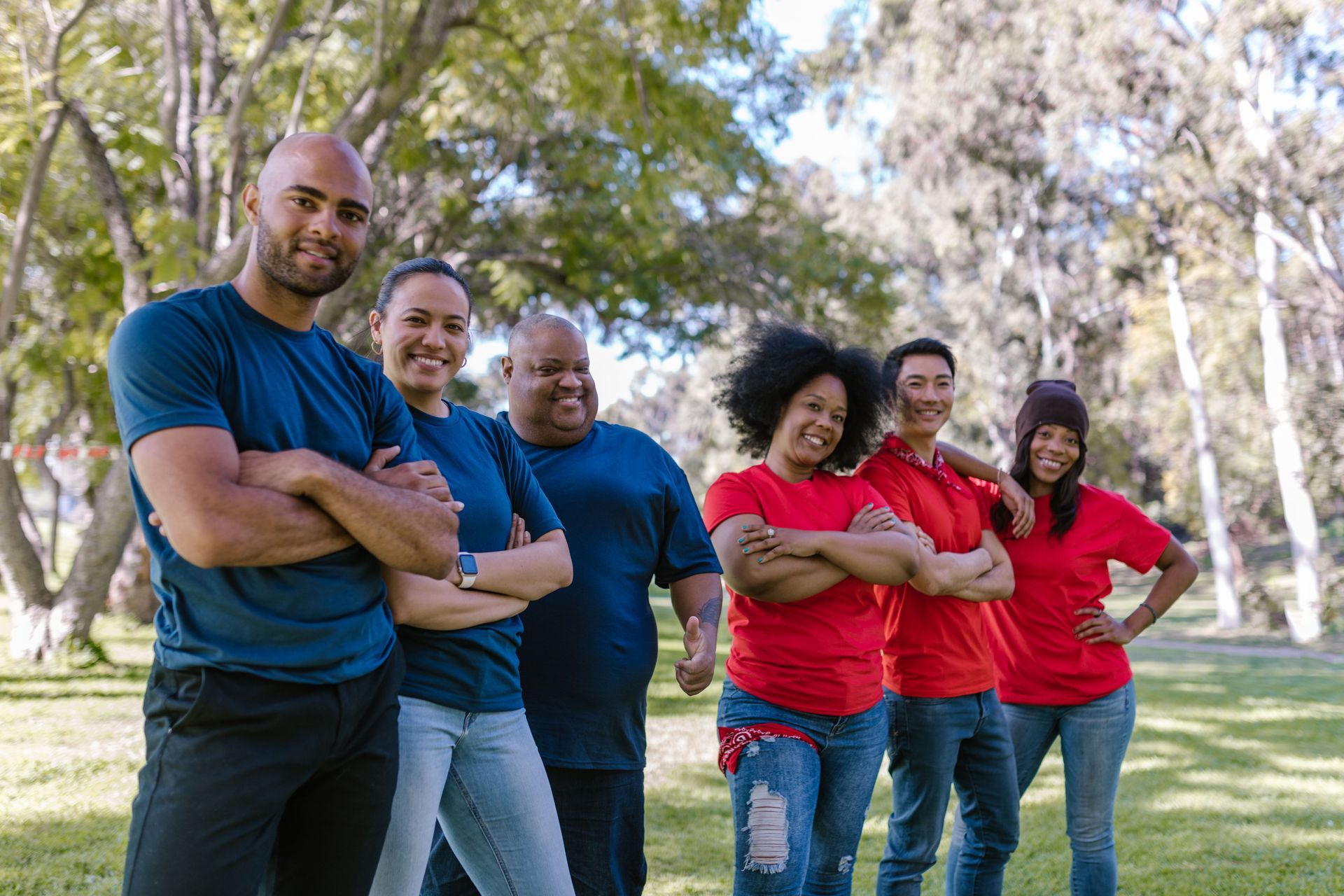
The most effective way to deliver culturally responsive NDIS care is through diverse teams. Pathway Talent supports providers by building teams that reflect Australia’s multicultural population.
We focus on:
- Hiring multilingual workers
- Recruiting staff from a variety of backgrounds
- Training workers in cultural awareness
- Supporting staff to understand cultural norms
- Matching participants with culturally aligned workers
When participants see themselves represented in their support team, trust and rapport grow naturally.
5. Strengthening family and community involvement
In many CALD cultures, the family plays a central role in decision-making and daily care. Support workers need to collaborate respectfully with family members instead of excluding them.
This may include:
- Communicating care plans to family
- Seeking cultural guidance
- Respecting family hierarchy
- Involving extended relatives in discussions
- Understanding community leaders’ influence
Culturally responsive care strengthens relationships and improves long-term outcomes.
How Pathway Talent supports culturally responsive care teams
At Pathway Talent, we work closely with NDIS providers to deliver staffing solutions that strengthen cultural safety and understanding. Our approach includes:
- Recruiting workers with multilingual capabilities
- Providing cultural awareness and sensitivity training
- Matching workers to participants based on cultural preferences
- Supporting providers with diversity-focused workforce planning
- Ensuring staff meet all NDIS standards and compliance requirements
- Listening to participant and family feedback to refine placements
This ensures that every participant feels respected, valued, and genuinely understood.
Conclusion
Culturally responsive NDIS care is essential for delivering meaningful, inclusive, and person-centred support. CALD participants deserve workers who understand and honour their cultural identity — not just their clinical needs. By building diverse, culturally aware care teams, providers can reduce barriers, improve trust, and strengthen participant outcomes.
Pathway Talent is committed to helping providers create care environments where every individual, regardless of cultural background, feels safe, respected, and empowered.