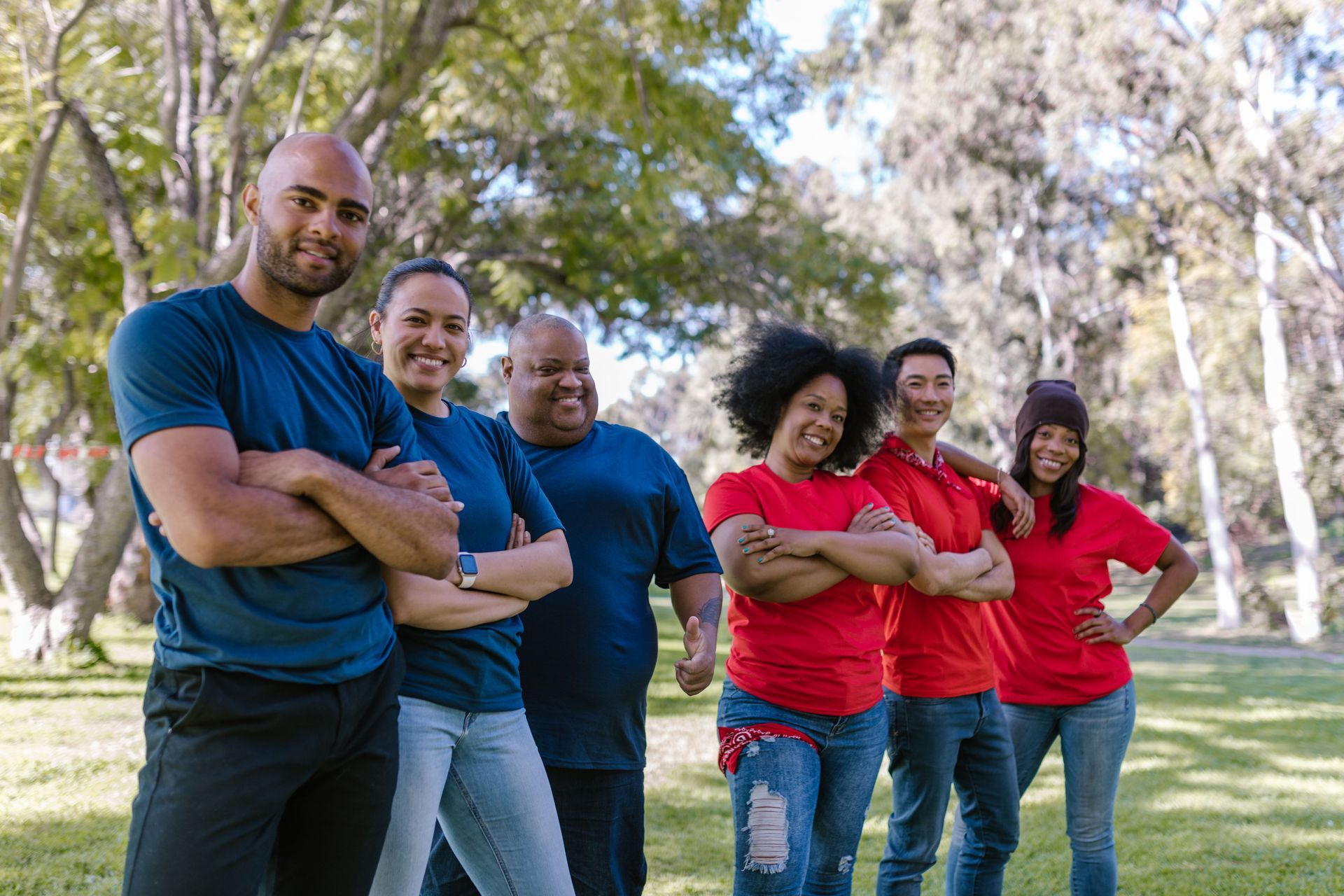

Permanent vs temporary recruitment: Which staffing model is right for your NDIS business?

September 9, 2026

For NDIS providers, having the right people available at the right time is essential to maintaining service quality and supporting business growth.


But not every workforce requirement needs the same recruitment approach. Sometimes you need a permanent employee who can become part of your organisation long term. At other times, you need additional workers quickly to cover leave, increased demand or unexpected vacancies.


Understanding when to use permanent recruitment and when temporary staffing makes sense can help NDIS providers build a more flexible and sustainable workforce.


When permanent recruitment makes sense


Permanent recruitment is generally the right option when you have an ongoing workforce requirement.

For example, if your organisation is consistently supporting more participants, opening a new service or expanding into a new location, adding permanent employees can provide the stability needed to support that growth.


Permanent recruitment can help providers:

  • Build a stable core workforce
  • Improve team consistency
  • Develop long-term employee relationships
  • Reduce reliance on short-term staffing
  • Strengthen organisational culture
  • Build internal experience and capability


For roles that require strong familiarity with your organisation, participants and service model, a permanent appointment can be particularly valuable.

However, permanent recruitment should be based on genuine long-term demand. Hiring too quickly without understanding future workforce requirements can create unnecessary costs and management challenges.


When temporary recruitment can help


Temporary staffing provides flexibility when workforce requirements are changing.

An NDIS provider may need additional disability support workers because of employee leave, unexpected resignations, increased participant demand or a new service beginning operations.

In these situations, waiting several weeks for a permanent recruitment process to be completed may put pressure on your existing workforce.


Temporary recruitment can provide additional capacity while you work towards a longer-term solution.

It can be particularly useful for:

  • Covering planned employee leave
  • Managing unexpected vacancies
  • Supporting periods of increased demand
  • Providing additional workforce during expansion
  • Maintaining service continuity while permanent roles are recruited


For growing providers, temporary staffing can effectively act as a bridge between current workforce capacity and future requirements.


It does not have to be one or the other


One of the most effective approaches to NDIS recruitment is combining permanent and temporary staffing.

For example, an NDIS provider may be opening a new service and know that it will eventually require ten permanent workers. However, the service may need immediate workforce support before all ten permanent positions can be filled.

Temporary workers can provide the immediate capacity, while permanent recruitment continues in the background.

This approach allows the business to respond to immediate operational needs without losing sight of its longer-term workforce strategy.


Consider the cost of an unfilled position


When assessing recruitment options, it is easy to focus only on the direct cost of hiring.

But an unfilled position can also have a significant operational impact.

If existing employees need to cover additional shifts, the business may experience increased overtime, employee fatigue and lower workforce satisfaction.


For NDIS providers, ongoing staffing gaps can also affect the organisation's ability to accept new participants or expand services.

The real question is therefore not simply:

"What does recruitment cost?"

It is:

"What is the cost of not having the right workforce in place?"

This broader view can help providers make better staffing decisions.


Match your recruitment strategy to your business stage


Different stages of business growth can require different workforce strategies.


  • A smaller provider with a stable participant base may primarily need permanent recruitment.
  • A rapidly growing provider may need a combination of permanent employees and temporary workers to manage changing demand.
  • An established provider experiencing seasonal fluctuations may benefit from maintaining access to a reliable temporary workforce.


The right model depends on your participant demand, service locations, workforce capacity and growth plans.


Work with a recruitment partner that understands your industry


Finding suitable workers is only one part of effective disability support staffing. Providers also need a recruitment process that understands the requirements of the NDIS environment and the importance of finding people who are appropriate for the role.


Working with a specialist staffing partner can give providers access to both permanent and temporary recruitment support, depending on their changing requirements.


This can reduce pressure on internal teams while helping organisations respond more quickly when workforce needs change.


Build a workforce that can adapt with your business


There is no single recruitment model that works for every NDIS provider.


Permanent recruitment can provide stability and long-term capability. Temporary staffing can provide flexibility when circumstances change. Using both strategically can give providers the capacity to manage today's requirements while preparing for tomorrow's growth.


For NDIS businesses, recruitment should not simply be about filling vacancies. It should be about building a workforce that supports reliable service delivery and sustainable growth.


Pathway Talent works with NDIS and care providers across Australia to deliver flexible workforce solutions, including permanent and temporary recruitment.


If your organisation is experiencing workforce gaps or planning for growth, the right staffing strategy can make the difference between reacting to vacancies and being prepared for them.



workforce planning
September 9, 2026
Growth is an important goal for any NDIS provider. Taking on more participants, expanding into new locations or introducing additional services can create significant opportunities.  But growth also creates a fundamental business requirement: having enough of the right people to deliver those services . For NDIS providers, workforce planning should therefore happen alongside financial planning, operational planning and business development. Without a reliable workforce strategy, even strong growth opportunities can put pressure on service delivery and existing employees. Workforce capacity determines how quickly you can grow An NDIS provider may have the systems, demand and infrastructure needed to expand, but growth can still be limited by workforce capacity. If you do not have enough qualified disability support workers available, accepting additional participants or launching new services can become difficult. This is why workforce planning needs to start before the vacancy exists. Providers should consider: Current workforce capacity Expected participant growth Future service requirements Skills and experience required Locations where workers will be needed Expected employee turnover Recruitment lead times Permanent and temporary workforce requirements Having this information allows management teams to identify potential workforce gaps before they become operational problems. Move from reactive recruitment to workforce planning Reactive recruitment usually begins with a vacancy. Someone resigns, demand increases or a new contract starts, and the organisation suddenly needs to find a worker. While this approach may solve an immediate problem, it can create unnecessary pressure on internal teams. A proactive NDIS recruitment strategy looks further ahead. Instead of asking, "Who do we need today?", providers can ask: "What workforce will we need over the next six, 12 or 18 months?" This shift allows recruitment teams and external staffing partners to build candidate pipelines before demand becomes urgent. Understand the workforce behind your growth plans Every growth strategy has workforce implications. For example, opening a new SIL service may require workers with particular experience and availability. Expanding community-based services may require a larger pool of workers across different geographical areas. Similarly, increasing the number of participants you support may require additional workers across multiple shifts. Workforce planning connects these operational requirements with recruitment activity. Instead of hiring based simply on the number of vacancies, providers can plan around the skills, availability and locations they are likely to need. Build a flexible workforce model Not every staffing requirement needs to be permanent. A strong workforce strategy can combine permanent employees with temporary staffing to provide greater flexibility. Permanent employees can form the core of the organisation's workforce, while temporary workers can help manage periods of increased demand, employee leave, unexpected vacancies or expansion. This approach can be particularly valuable for growing NDIS providers because workforce requirements can change quickly. Having access to a flexible staffing pool means the organisation is better prepared when circumstances change. Recruitment should support operational goals Recruitment should not operate in isolation from the rest of the business. If your organisation plans to expand into a new service area, recruitment needs to understand when workers will be required and what capabilities they will need. If the business wants to increase participant numbers, workforce planning needs to account for the additional capacity required. If employee turnover is increasing, recruitment needs to work alongside retention and workforce wellbeing strategies. This is where NDIS workforce solutions become more valuable than simply filling individual vacancies. The objective is to create a workforce strategy that supports the organisation's wider business objectives. Use recruitment data to make better decisions Workforce planning becomes more effective when providers use their own recruitment and workforce data. Useful measures can include: Time to fill vacancies Employee turnover Vacancy rates Overtime requirements Temporary staffing requirements Recruitment source performance Candidate availability Workforce demand by location These insights can help management identify patterns and make more informed decisions about future recruitment. For example, if a provider regularly struggles to recruit workers in a particular location, building a candidate pipeline in advance may be more effective than waiting for vacancies to arise. The right staffing partner can extend your capacity Building an effective internal recruitment function requires time, resources and specialist expertise. For many NDIS providers, partnering with an experienced staffing organisation can provide additional recruitment capacity when it is needed. A specialist partner can support candidate sourcing, screening and recruitment across permanent and temporary requirements, helping providers respond to workforce demand without placing all the pressure on internal teams. Plan your workforce before you need it For NDIS providers, workforce planning is ultimately about being prepared. The organisations that understand their future workforce requirements can respond to growth more confidently, manage staffing risks more effectively and reduce the pressure created by unexpected vacancies. Your workforce should not be an afterthought to your growth strategy. It should be part of the strategy from the beginning. Pathway Talent works with NDIS and care providers across Australia to deliver flexible NDIS workforce solutions , including permanent and temporary recruitment. If your organisation is planning its next stage of growth, now is the time to ask whether your workforce is ready to grow with it.
NDIS provider
September 9, 2026
NDIS providers operate in an environment where workforce shortages can quickly become an operational problem. When there are not enough qualified disability support workers available, providers may struggle to fill shifts, maintain consistent support and take on new participants. For growing providers, relying on last-minute recruitment is rarely sustainable. A more structured approach to NDIS staffing can help organisations build a dependable workforce while maintaining the quality of care they provide. Why workforce gaps are a business problem A staffing gap is more than an unfilled shift. For an NDIS provider, ongoing workforce shortages can affect: Service continuity Participant experience Existing staff workload Employee retention Rostering efficiency Ability to accept new participants Business growth  When existing employees regularly need to cover vacant shifts, pressure can build across the workforce. Over time, this can contribute to fatigue, dissatisfaction and further turnover. For providers looking to grow, workforce capacity needs to grow alongside participant demand. Build a recruitment pipeline instead of recruiting only when a vacancy appears One of the biggest mistakes providers can make is waiting until a position becomes urgent before starting recruitment. A proactive NDIS recruitment strategy allows providers to maintain a pipeline of suitable candidates who can be considered when vacancies arise. This can include disability support workers with experience in areas such as: Supported Independent Living Community participation Complex support needs Personal care Behaviour support High-intensity support Maintaining relationships with potential candidates means providers are not starting from zero every time a vacancy appears. Focus on fit, not simply availability When a shift needs to be filled urgently, it can be tempting to focus primarily on who is available. But effective disability support staffing requires more than availability. Providers need people with the appropriate experience, qualifications, communication skills and attitude for the specific environment they will be working in. A strong recruitment process should consider whether a candidate is suited to the participant's needs, the provider's operating environment and the expectations of the role. This can reduce the risk of unsuitable placements and improve long-term retention. Use temporary staffing strategically Temporary recruitment can also play an important role in managing workforce fluctuations. For example, a provider may experience increased demand because of: New participant plans Staff leave Unexpected resignations Seasonal workforce shortages Business expansion New SIL or accommodation services Having access to temporary workers can provide additional capacity while permanent recruitment is underway. For businesses, this creates greater flexibility without requiring them to immediately increase their permanent headcount. Make workforce planning part of business growth Recruitment should not operate separately from business strategy. If an NDIS provider is planning to expand its services, open a new location or take on additional participants, workforce requirements should be considered before the expansion happens. Ask: How many workers will we need? What skills and experience will they require? How quickly can we recruit them? Do we have enough candidates in our pipeline? What happens if our recruitment takes longer than expected? These questions can help providers identify workforce risks before they affect service delivery. Partner with an experienced NDIS staffing provider Building an internal recruitment function can take significant time and resources. For many providers, working with an experienced staffing partner can provide additional recruitment capacity without requiring a large internal hiring team. A specialist NDIS workforce solutions provider can assist with sourcing, screening and connecting providers with suitable disability support professionals. This allows internal teams to focus on participant services and operations while recruitment specialists support the workforce pipeline. A stronger workforce supports sustainable growth For NDIS providers, workforce planning is no longer simply an HR responsibility. It is an important part of delivering reliable services and building a sustainable business. The providers that plan ahead, maintain candidate pipelines and use flexible staffing solutions are better positioned to respond to changing demand. At Pathway Talent, we help NDIS and care providers access reliable workforce solutions across Australia, connecting organisations with suitable healthcare and disability support professionals. Need to strengthen your workforce? Talk to Pathway Talent about your staffing requirements.
 flexible staffing
August 17, 2026
NDIS providers operate in an environment where participant requirements, service demand and workforce needs can change quickly. A provider may take on new participants, expand into additional services or experience unexpected staff shortages, all while needing to maintain consistent, high-quality support. Having the right people available at the right time is therefore essential. For many providers, maintaining a fully flexible workforce can be challenging. Annual leave, unexpected absences, employee turnover and difficulty finding experienced NDIS support workers can all create pressure on existing teams. Flexible staffing provides providers with another way to manage these challenges while maintaining continuity of support. At Pathway Talent, we provide tailored NDIS staffing and recruitment solutions that help organisations respond to changing workforce requirements. Why flexibility matters for NDIS providers Participant support is not always predictable. Workforce requirements can change because of: new participants joining a service changes in participant goals increased support hours staff leave unexpected vacancies business expansion changing service requirements A workforce that can adapt to these changes helps providers maintain service continuity without placing excessive pressure on permanent employees. Matching the right worker to the right participant Every participant has individual preferences, goals and support requirements. This means effective disability support staffing is not simply about finding an available worker. It is about finding someone whose experience and approach are appropriate for the participant and service environment. Candidate matching can consider: relevant experience communication style location availability participant preferences specific support requirements professional values A stronger match can support better relationships and more consistent participant experiences. Responding to unexpected staffing gaps Even well-planned rosters can be affected by unexpected circumstances. Workers may become unavailable because of: illness personal leave family commitments resignation injury other unforeseen circumstances When a staffing gap occurs, providers need to respond quickly. A specialist NDIS staffing agency with an established candidate network can help organisations identify suitable professionals more efficiently, reducing disruption to participant support. Supporting business growth Growth can create significant workforce pressure for NDIS providers. As new participants join, providers may need additional workers across different locations, shifts and service types. Recruiting a large permanent workforce immediately may not always be practical. Flexible NDIS workforce solutions allow organisations to increase staffing capacity as demand grows, while continuing to develop a sustainable long-term recruitment strategy. This can provide greater workforce control and reduce the pressure associated with rapid expansion. Reducing pressure on existing employees When staffing levels are low, permanent employees may need to take on additional shifts or responsibilities. Over time, this can contribute to: fatigue stress reduced morale burnout employee turnover Flexible staffing helps distribute workloads more effectively, allowing permanent teams to maintain better balance while ensuring participants continue receiving the support they need. Quality must remain a priority Flexibility should never mean compromising on quality. Providers need disability support workers who understand the importance of: dignity independence participant choice respectful communication safety person-centred support A strong recruitment process should assess a candidate's experience, qualifications, reliability, communication skills and suitability for the specific role. The goal is to provide the right professional, not simply the fastest available option. Temporary staffing can become a long-term solution Flexible staffing does not necessarily mean temporary employment forever. A short-term placement can provide an opportunity for both the provider and professional to assess whether there is a strong long-term fit. Where appropriate, temporary workers may become valuable permanent members of the organisation. This creates another pathway for providers to strengthen their talent pipeline and reduce future recruitment challenges. Build a proactive recruitment strategy The most effective providers do not wait until a staffing emergency occurs. Maintaining an ongoing relationship with a specialist recruitment partner can help organisations prepare for future workforce requirements. A proactive NDIS recruitment strategy can support: faster access to candidates improved workforce planning reduced vacancy periods stronger talent pipelines greater staffing flexibility This approach allows providers to respond to changing demand with greater confidence. How Pathway Talent supports NDIS providers At Pathway Talent, we understand that workforce requirements can change quickly. We work with NDIS providers and community service organisations to understand their operational requirements before recommending suitable professionals. Our NDIS recruitment and staffing solutions can support organisations with short-term staffing requirements, ongoing workforce needs and permanent recruitment. We connect providers with professionals across disability support, NDIS, healthcare, aged care, psychosocial support and community services. Our focus is on creating strong matches between employers and candidates while providing a responsive recruitment experience. Building a workforce that can adapt The future of NDIS service delivery requires providers to remain responsive without losing sight of quality. Organisations that invest in workforce planning, candidate pipelines and specialist recruitment partnerships are better positioned to respond when participant needs or staffing requirements change. Flexible staffing should therefore be viewed as part of a broader workforce strategy rather than simply an emergency solution. Conclusion Working with an experienced NDIS staffing agency can help providers manage changing participant needs, unexpected workforce gaps and business growth without compromising the quality of support. Effective NDIS staffing combines flexibility with careful candidate matching, recruitment expertise and a clear understanding of participant-centred care. Pathway Talent partners with NDIS and community service providers to deliver flexible NDIS workforce solutions tailored to their evolving requirements. By connecting organisations with suitable NDIS support workers and disability support professionals, we help providers build stronger, more adaptable teams that are prepared for both today's needs and future growth.
disability support worker
August 17, 2026
A career as a disability support worker can be both professionally rewarding and personally meaningful. Support workers play an important role in helping people with disability live with greater independence, confidence and choice. While qualifications and training are essential, being a successful support worker requires more than having the right certificate. The best professionals combine their practical knowledge with empathy, reliability, communication skills and a genuine commitment to person-centred support. For people exploring disability support worker jobs Australia , understanding what employers value can help them prepare for a successful career and identify opportunities that match their strengths. At Pathway Talent, we connect skilled and motivated professionals with organisations looking for quality disability support workers across Australia's care and community services sectors. Qualifications provide the foundation Training gives disability support workers the knowledge required to perform their responsibilities safely and professionally. Depending on the role, employers may look for relevant qualifications, experience and other requirements associated with disability support and NDIS services. However, qualifications are only the starting point. A strong support worker also needs the personal and professional qualities required to build positive relationships with participants and work effectively within a care team. Empathy helps build trust Every person receiving disability support has individual goals, preferences, experiences and needs. Empathy helps support workers understand those differences and provide assistance without making assumptions. An empathetic support worker takes the time to: listen to participants understand their preferences respect their choices recognise their concerns provide encouragement This approach helps create relationships based on trust, dignity and mutual respect. Communication is a critical skill Communication is central to effective disability support. Support workers may communicate with participants, families, colleagues, healthcare professionals and other service providers. Good communication involves more than speaking clearly. It also means listening carefully and adapting communication to suit each individual. Strong communication skills can help support workers: understand participant needs explain information clearly identify changes in wellbeing maintain professional relationships work effectively as part of a team For NDIS support workers , understanding and respecting different communication preferences is particularly important. Reliability makes a real difference Participants and families need to know that their support workers can be relied upon. Reliability means consistently meeting commitments and taking responsibility for the role. A reliable support worker: arrives on time follows agreed routines communicates changes promptly completes responsibilities properly follows workplace procedures Consistency can also help participants feel more comfortable and confident with their support arrangements. Patience and understanding matter Disability support can involve situations that require patience. Some participants may need additional time to communicate, complete activities or adjust to changes in their routine. A patient support worker avoids rushing and focuses on providing assistance at a pace that works for the individual. Patience can help promote dignity while encouraging participants to remain involved in their own decisions and activities. Respect for independence and choice One of the most important principles of quality disability support is supporting people to exercise choice and control over their own lives. A support worker should provide assistance without unnecessarily taking over. This may involve encouraging participants to: make decisions participate in household activities pursue hobbies build daily living skills participate in their community work towards personal goals The role of the support worker is to empower, rather than create unnecessary dependence. Adaptability is essential No two shifts are exactly the same. Participant needs can change, schedules may be adjusted and unexpected situations can arise. Good support workers remain calm and adaptable while continuing to follow appropriate procedures. Adaptability is particularly valuable for professionals working across different participants, environments and support requirements. Professionalism and boundaries Building positive relationships with participants is essential, but support workers must also maintain appropriate professional boundaries. Professionalism includes: respecting privacy maintaining confidentiality following organisational policies communicating appropriately understanding professional responsibilities treating every participant with dignity Strong professional boundaries protect participants, support workers and organisations. A commitment to continuous learning The disability and community services sectors continue to evolve. Successful support workers remain open to learning and professional development throughout their careers. Ongoing development can help professionals strengthen their knowledge of: person-centred support safeguarding communication mental health disability support practices participant rights workplace safety A willingness to learn can also create opportunities for career progression. Finding the right disability support opportunity Having the right skills is only one part of building a successful career. Finding an employer and role that align with your experience, values and goals is equally important. A specialist disability support recruitment partner can help candidates identify suitable opportunities based on: qualifications experience availability location preferred work environment career aspirations This can make the search for disability support jobs more focused and efficient. How Pathway Talent supports support workers At Pathway Talent, we understand that quality support starts with quality people. We connect professionals with opportunities across disability support, NDIS, healthcare, aged care, psychosocial support and community services. Our team takes the time to understand each candidate's experience, preferences and career goals before matching them with suitable organisations. Whether you are an experienced professional or looking to take the next step in your care career, we can help you explore support worker jobs Australia that align with your skills and ambitions. Conclusion For anyone considering disability support worker jobs Australia , qualifications are important, but they are only one part of what makes a great support worker. Empathy, communication, patience, reliability, adaptability and respect for participant choice are equally important qualities. Together, these skills help professionals build meaningful relationships and provide high-quality, person-centred support. Pathway Talent connects skilled professionals with organisations that value quality care and strong workforce relationships. Through personalised disability support recruitment , we help candidates find rewarding opportunities while helping employers build dependable teams across Australia's care sector.
disability support workforce
August 17, 2026
Growing an NDIS business is an exciting opportunity, but growth also brings workforce challenges. As participant numbers increase and services expand, providers need access to reliable, skilled and compassionate disability support workers who can deliver consistent, person-centred support. For many NDIS providers, simply advertising vacancies is no longer enough. Finding the right people requires a structured approach to NDIS recruitment , candidate screening, workforce planning and ongoing staff support. A strong workforce strategy allows providers to respond to growth while maintaining the quality of support participants expect. At Pathway Talent, we help NDIS providers access suitable professionals through tailored NDIS staffing and recruitment solutions designed around their individual workforce requirements. Start by understanding your workforce needs Before recruiting new NDIS support workers , providers should understand exactly what their current and future workforce needs look like. Consider: the number of participants being supported the types of services being delivered participant-specific support requirements locations requiring coverage roster requirements specialist skills needed anticipated business growth Understanding these requirements makes the recruitment process more targeted and helps providers find candidates who are genuinely suited to their roles. Focus on quality, not simply filling vacancies When a provider has urgent staffing requirements, it can be tempting to focus on finding someone available as quickly as possible. However, successful disability support staffing is about finding the right person, not simply the fastest person. Quality recruitment should consider: relevant experience communication skills reliability professional attitude participant-focused values ability to work independently suitability for the support environment The right match can contribute to stronger relationships between participants and support workers while improving workforce stability. Match support workers to the right environment Every participant is different. Their goals, communication preferences, routines and support requirements need to be considered when selecting a worker. Effective NDIS recruitment therefore looks beyond qualifications and availability. A good match may consider: participant preferences worker experience communication style location availability cultural considerations specific support requirements Taking this approach can help providers build stronger working relationships and deliver more personalised support. Invest in training and professional development A reliable workforce needs ongoing development. Training helps disability support workers build confidence and remain prepared to respond to changing participant needs. Depending on the role, professional development may cover: person-centred support communication safeguarding mental health disability support practices workplace health and safety participant rights and responsibilities Ongoing learning also demonstrates that an organisation values its employees and is committed to maintaining high standards of service. Make onboarding part of recruitment Recruitment does not finish when a candidate accepts a position. A structured onboarding process helps new NDIS support workers understand the organisation, their responsibilities and the expectations of the role. Effective onboarding can include: workplace orientation role-specific information participant requirements safety procedures communication processes organisational policies ongoing support A positive onboarding experience helps new employees become confident in their roles and integrate into the organisation more effectively. Build workforce consistency For participants, consistency can be extremely important. Having familiar support workers can help participants develop trusting relationships and feel more comfortable with their support arrangements. For providers, workforce consistency can also reduce: staff turnover recruitment costs roster disruption administrative pressure reliance on last-minute staffing Building a stable workforce should therefore be a long-term objective rather than simply a response to immediate vacancies. Create a talent pipeline Growing NDIS providers should not wait until a vacancy becomes urgent before looking for candidates. Developing an ongoing talent pipeline gives organisations access to potential workers when new opportunities arise. This can be particularly valuable when: new participants join services expand into new locations additional support hours become available employees take leave unexpected vacancies occur A specialist recruitment partner can help providers maintain access to suitable candidates throughout the year. Consider flexible NDIS workforce solutions Not every workforce requirement needs to be permanent from day one. Flexible NDIS workforce solutions can help providers manage changing demand through temporary, contract or permanent recruitment options. This allows organisations to scale their workforce according to participant requirements while developing a sustainable long-term staffing strategy. How Pathway Talent supports NDIS providers At Pathway Talent, we understand that NDIS providers need more than people to fill shifts. They need reliable professionals who understand the importance of dignity, independence, choice and person-centred support. Our NDIS recruitment approach focuses on understanding each provider's workforce requirements before matching them with suitable professionals. We support organisations across disability support, NDIS, healthcare, aged care, psychosocial support and community services, providing flexible staffing and recruitment solutions designed around their needs. Whether a provider needs additional disability support workers , temporary workforce assistance or ongoing recruitment support, Pathway Talent helps make the process more efficient and targeted. Building a workforce for sustainable growth As an NDIS provider grows, its workforce needs will continue to change. Organisations that invest in proactive recruitment, effective onboarding, professional development and workforce planning are better positioned to maintain quality support while expanding their services. The objective should not simply be to fill today's vacancies. It should be to build a reliable workforce capable of supporting the organisation and its participants in the future. Conclusion Building a reliable disability support workforce requires a combination of effective NDIS staffing , quality recruitment, appropriate candidate matching and ongoing workforce development. For growing providers, working with a specialist disability support recruitment Australia partner can make it easier to access suitable professionals while reducing the pressure on internal teams. Pathway Talent partners with NDIS and community service providers to deliver tailored NDIS workforce solutions that support both immediate staffing requirements and long-term growth. By connecting providers with suitable NDIS support workers and experienced disability support professionals, we help organisations build stronger teams and deliver consistent, person-centred support.
hiring disability support workers
July 16, 2026
Learn what NDIS providers should look for when hiring disability support workers to build reliable teams and deliver quality participant outcomes.
Disability Support Worker Training
July 16, 2026
Discover how disability support worker training improves participant outcomes, builds confidence and helps NDIS providers deliver safe, high quality support.
NDIS Workforce
July 16, 2026
Learn why workforce stability is a growing challenge for NDIS providers and how the right recruitment strategy helps improve continuity and quality of care
 soft skills
June 22, 2026
In the disability support sector, technical skills and qualifications are essential. However, they are only part of what defines an effective support worker. Across Australia, there is growing recognition that soft skills play an equally important role in delivering high quality care. Pathway Talent focuses on preparing support workers who bring both technical capability and strong interpersonal skills to their roles. Understanding soft skills in disability support Soft skills refer to personal attributes that influence how individuals interact with others. In disability support, these skills are critical for building relationships and providing meaningful care. Key soft skills include: communication empathy patience adaptability problem solving These qualities shape the overall support experience. Building trust with participants Trust is at the centre of effective support work. Participants must feel comfortable with their support workers in order to engage fully in their care. Soft skills such as empathy and active listening help create this trust. When participants feel understood, they are more likely to communicate openly. Trust leads to stronger relationships. Enhancing communication and understanding Clear communication is essential in disability support. Workers must be able to understand participant needs and respond appropriately. Soft skills enable support workers to adjust their communication style based on individual preferences. This improves interaction and reduces misunderstandings. Managing challenging situations Disability support roles can involve complex and unpredictable situations. Workers may need to respond to behavioural challenges or emotional distress. Soft skills such as patience and problem solving help workers manage these situations effectively. Calm and thoughtful responses contribute to better outcomes. Supporting emotional wellbeing Support work is not only about physical assistance. Emotional wellbeing is equally important. Workers who demonstrate empathy and compassion can provide reassurance and comfort. This creates a more positive and supportive environment for participants. Emotional support enhances quality of life. Improving teamwork and collaboration Support workers often collaborate with families, healthcare professionals and other team members. Strong interpersonal skills help facilitate effective teamwork. Clear communication and mutual respect contribute to coordinated care. Collaboration improves service delivery. Balancing technical and human skills While qualifications provide the necessary knowledge, soft skills determine how that knowledge is applied. A balanced combination of both ensures that support workers can deliver comprehensive care. Organisations that prioritise soft skills in recruitment are more likely to achieve better outcomes. The Pathway Talent approach Pathway Talent recognises the importance of soft skills in disability support. We focus on preparing candidates who demonstrate both technical competence and strong interpersonal abilities. Our approach ensures that support workers are equipped to deliver care that is both effective and compassionate. Conclusion Soft skills are just as important as qualifications in disability support roles. By focusing on communication, empathy and adaptability, support workers can create meaningful connections and deliver high quality care. Pathway Talent remains committed to developing professionals who bring both skill and compassion to the NDIS workforce.
participant outcomes
June 22, 2026
The success of disability support services under the NDIS depends on more than just availability of workers. It depends on the quality of the match between participants and support workers. Across Australia, providers are recognising that effective matching is essential for delivering meaningful outcomes. Pathway Talent prioritises this approach by ensuring that every placement is based on compatibility as well as capability. Understanding the importance of compatibility Support work is highly personal. Participants rely on support workers not only for assistance but also for companionship and trust. Compatibility includes factors such as: communication style personality cultural background shared interests When these elements align, the relationship becomes more effective. Building trust and engagement Trust is a key component of successful support relationships. Participants who feel comfortable with their support workers are more likely to engage in activities and communicate openly. This leads to: better understanding of needs improved cooperation stronger relationships Trust enhances the overall care experience. Improving consistency and stability Poor matching often leads to frequent changes in support workers. This can disrupt routines and create uncertainty for participants. Effective matching reduces turnover and creates more stable care arrangements. Consistency allows support workers to better understand participant preferences and provide more personalised care. Supporting personalised care delivery Every participant has unique goals and needs. Matching the right support worker ensures that these requirements are understood and respected. Support workers who align with participants are better able to: follow care plans effectively adapt to individual preferences provide meaningful support Personalised care leads to better outcomes. Reducing stress for participants and families Frequent changes in support workers can be stressful for both participants and their families. Consistent and compatible relationships provide reassurance and stability. Families can feel confident knowing that their loved ones are supported by individuals who understand them. Stability improves overall wellbeing. Enhancing communication and understanding Communication is more effective when support workers and participants are aligned. This reduces misunderstandings and ensures that needs are addressed promptly. Clear communication contributes to smoother daily interactions and better care delivery. The role of recruitment in effective matching Recruitment processes play a critical role in achieving the right match. This involves understanding both the candidate and the participant in detail. Factors considered include: skills and experience personality and values communication preferences Strategic matching leads to stronger outcomes. The Pathway Talent approach Pathway Talent focuses on connecting participants with support workers who are not only qualified but also compatible. By prioritising relationships and understanding individual needs, we create placements that deliver long term value. Our approach ensures that every match contributes to positive outcomes. Conclusion Matching the right support worker is essential for achieving meaningful outcomes under the NDIS. By focusing on compatibility, trust and communication, providers can deliver more effective and personalised support. Pathway Talent remains committed to creating connections that enhance both participant experiences and service quality.