
Building confident disability support workers: why soft skills matter as much as technical training
The disability support sector requires more than clinical knowledge or formal qualifications. While technical training ensures workers understand procedures, safety and compliance, the ability to connect with people remains just as important. Across Australia, the National Disability Insurance Scheme has created growing demand for support workers who combine practical skills with empathy, communication and adaptability. These qualities, often referred to as soft skills, play a vital role in building trust and delivering person centred support.
At Pathway Talent, we believe that confident and capable disability support workers are developed through a balance of technical training and strong interpersonal skills.
Understanding the role of soft skills in disability support
Disability support workers assist individuals with daily living, community participation and personal goals. Every interaction requires sensitivity, patience and understanding.
Soft skills include communication, emotional awareness, problem solving and active listening. These abilities help workers respond to individual needs respectfully and effectively.
While technical training provides structure, soft skills shape the quality of the support experience.
Why technical training alone is not enough
Formal training equips workers with essential knowledge such as safety practices, personal care techniques and regulatory requirements. However, individuals receiving support often value how they are treated as much as what assistance they receive.
Without strong soft skills, even technically competent workers may struggle to build meaningful connections. Miscommunication or lack of empathy can affect trust and engagement.
Balancing technical and interpersonal development ensures support remains both safe and compassionate.
Communication as the foundation of confidence
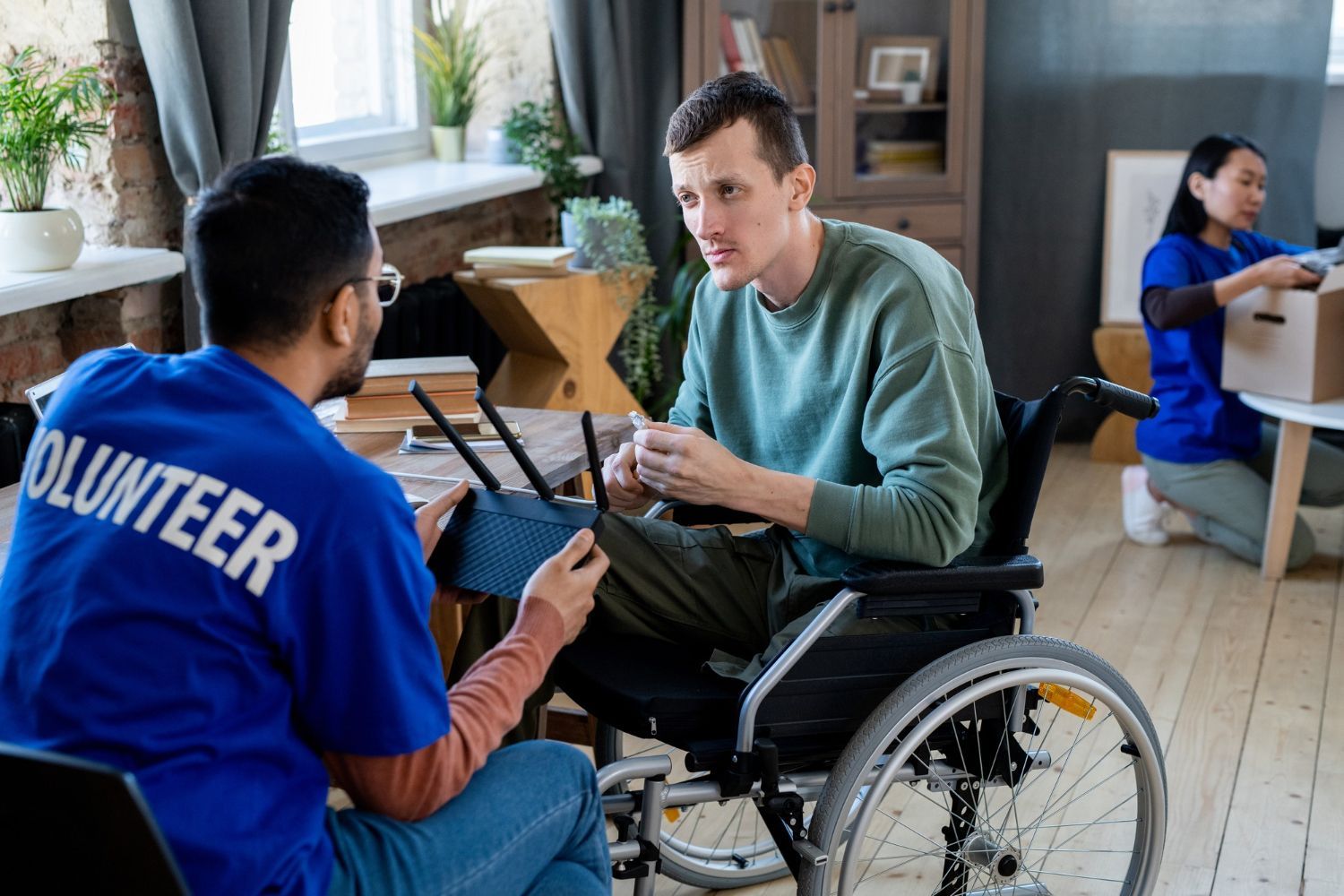
Clear communication is central to effective disability support. Workers must understand preferences, routines and goals while also providing reassurance during challenging moments.
Strong communicators listen actively and adapt their approach to suit each individual. This includes recognising non verbal cues and respecting personal boundaries.
When workers communicate confidently, participants feel heard and understood.
Empathy and emotional awareness in daily support
Empathy allows support workers to appreciate each person’s unique experiences and challenges. Emotional awareness helps workers respond calmly in situations that may feel stressful or unpredictable.
Developing empathy does not mean overstepping professional boundaries. Instead, it means approaching each interaction with patience and respect.
Empathy builds stronger relationships and contributes to positive outcomes.
Adaptability in a dynamic care environment
No two days in disability support are the same. Participants’ needs and moods may change, requiring workers to adjust their approach quickly.
Adaptability helps workers remain flexible while maintaining consistency in care. Those who are open to learning and adjusting their methods are more likely to succeed in the long term.
Confidence grows when workers feel prepared to handle change.
Supporting independence through relationship building
Person centred support focuses on empowering individuals rather than completing tasks for them. Soft skills play a significant role in encouraging independence.
Workers who build trusting relationships can motivate participants to try new activities, develop skills and achieve personal goals. This collaborative approach strengthens confidence for both the worker and the participant.
Strong relationships create opportunities for growth.
The role of training in developing soft skills
Unlike technical knowledge, soft skills develop through practice, reflection and guidance. Training programs that include role play, mentoring and real world scenarios help workers build these abilities.
Structured pathways that combine classroom learning with practical experience allow workers to refine their communication and emotional awareness.
Continuous learning ensures that soft skills evolve alongside professional development.
Why employers value well rounded support workers
Service providers across the NDIS sector increasingly seek workers who demonstrate both technical competence and interpersonal strength. Teams benefit from individuals who can communicate effectively, resolve challenges calmly and collaborate with families and professionals.
Well rounded workers contribute to stable care environments and stronger participant outcomes.
Employers recognise that soft skills are essential to maintaining quality support.
How Pathway Talent supports confident workforce development
Pathway Talent focuses on preparing disability support workers for real world success. Our approach emphasises both technical training and the development of interpersonal strengths.
By guiding candidates through structured pathways, we help them build confidence in communication, empathy and adaptability. This balanced development supports sustainable careers and meaningful participant relationships.
We believe that confident workers create positive experiences for everyone involved.
Benefits of prioritising soft skills in disability support
Organisations and participants benefit when workers demonstrate strong interpersonal abilities. Outcomes often include:
- improved participant engagement
- stronger trust between workers and individuals
- reduced misunderstandings
- enhanced teamwork and collaboration
- greater job satisfaction for workers
These benefits contribute to a more resilient and compassionate workforce.
Conclusion
Building confident disability support workers requires more than technical training. Soft skills such as communication, empathy and adaptability shape the quality of every interaction and support the goals of person centred care.
Pathway Talent is committed to developing well rounded professionals who combine knowledge with genuine connection. By prioritising both technical competence and interpersonal growth, we help create a workforce that supports independence, dignity and positive outcomes within the NDIS sector.