
Why soft skills matter more than ever in disability support roles
The disability support sector continues to evolve as the National Disability Insurance Scheme expands across Australia. While qualifications and certifications remain important, there is growing recognition that technical skills alone are not enough to deliver high quality support. Soft skills such as empathy, communication and patience are now considered essential for creating meaningful outcomes for participants.
Pathway Talent works with providers who understand that the right mindset and personal qualities are just as important as formal training when building strong support teams.
Understanding the difference between technical skills and soft skills
Technical skills refer to the practical abilities required to perform specific tasks, such as assisting with mobility, following care plans or administering basic support routines. These skills can be taught through training and experience.
Soft skills, on the other hand, relate to how individuals interact with others. They include qualities such as empathy, active listening, adaptability and emotional awareness.
In disability support roles, these human centred skills play a critical role in shaping the overall experience of participants.
The role of empathy in participant care
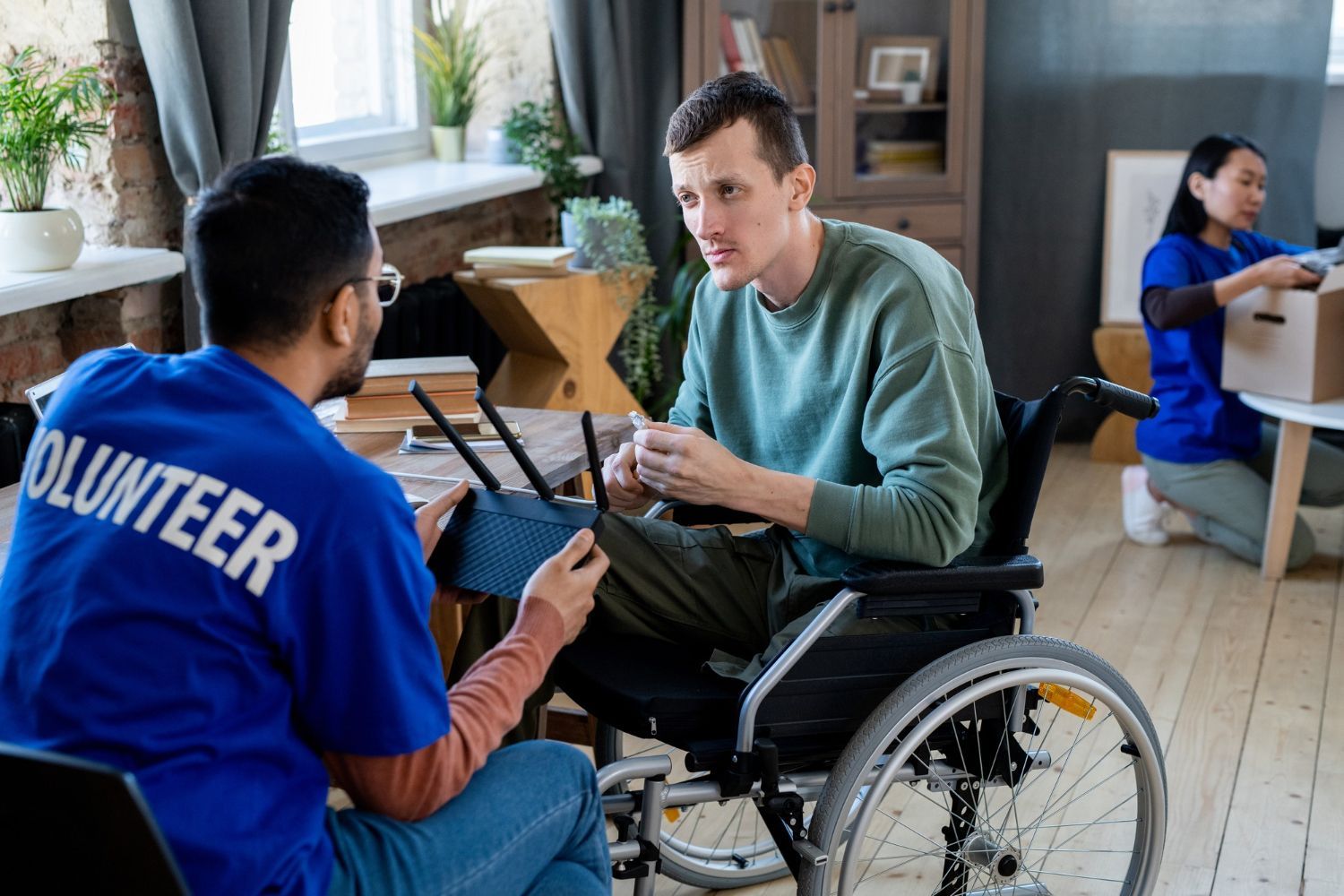
Empathy allows support workers to understand and respond to the feelings and needs of participants. Individuals receiving support often face unique challenges, and feeling understood can make a significant difference to their wellbeing.
Support workers who demonstrate empathy are better able to build trust and create positive relationships. This trust encourages participants to communicate openly and engage more confidently in daily activities.
Empathy strengthens the connection between support workers and participants.
Communication as a foundation for effective support
Clear and respectful communication is essential in disability support. Workers must be able to explain tasks, understand participant preferences and collaborate with families and other professionals.
Effective communication also involves listening carefully and recognising non verbal cues. Some participants may have different ways of expressing themselves, and support workers need to adapt their approach accordingly.
Strong communication helps ensure that support remains personalised and responsive.
The importance of patience and adaptability
Disability support work often involves unpredictable situations that require patience and flexibility. Tasks may take longer than expected, and plans may need to change based on participant needs.
Support workers who remain calm and adaptable are better equipped to handle these challenges. Their ability to adjust their approach helps create a supportive environment where participants feel comfortable and respected.
Patience contributes to a more positive care experience.
Impact on participant outcomes
Soft skills directly influence the quality of care that participants receive. When support workers build strong relationships, participants are more likely to feel confident, engaged and motivated.
Positive interactions can improve emotional wellbeing and encourage greater independence. Participants who feel supported are more likely to achieve their personal goals.
Human connection plays a vital role in successful outcomes.
Challenges in identifying soft skills during recruitment
While qualifications and experience can be measured easily, soft skills are more difficult to assess. Traditional recruitment processes may focus heavily on technical requirements, overlooking the importance of personal qualities.
Effective recruitment involves behavioural interviews, scenario based questions and careful observation of how candidates communicate.
Identifying the right combination of skills and mindset requires a thoughtful approach.
The Pathway Talent approach to identifying the right people
Pathway Talent places strong emphasis on evaluating both technical capability and soft skills when selecting candidates. We understand that successful support workers must be compassionate, adaptable and committed to participant centred care.
By focusing on these qualities, we help providers build teams that deliver not only practical support but also meaningful human connection.
Our goal is to ensure that every placement contributes to positive and lasting outcomes.
Conclusion
Soft skills are becoming increasingly important in disability support roles as the sector continues to prioritise person centred care. While technical abilities remain essential, qualities such as empathy, communication and patience are what truly define effective support.
Pathway Talent remains committed to helping providers identify professionals who bring both skill and compassion, ensuring that participants receive the highest standard of care