
Unlocking Hidden Talent: How Pathway Talent Helps Businesses Tap Into Overlooked Candidate Pools

July 31, 2025

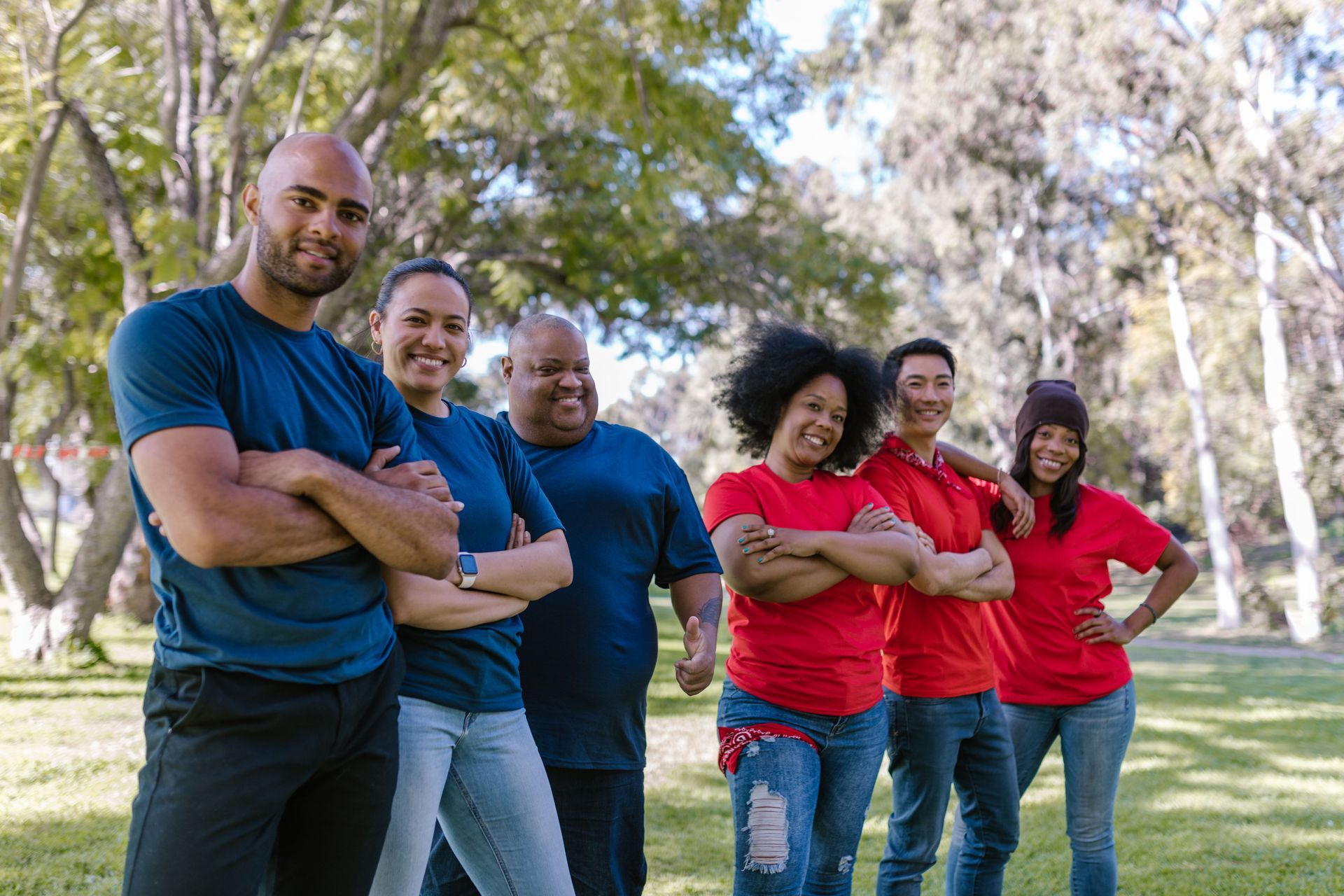
In a job market where skills shortages are rising across multiple industries, traditional recruitment methods are no longer enough. Australia is facing a growing disconnect between job vacancies and available talent, not due to a lack of capable people, but often because many candidates are overlooked. From career changers and mature-age workers to return-to-work parents and culturally diverse applicants, there's a hidden workforce ready to contribute.

At Pathway Talent, we believe inclusive recruitment is not just a feel-good strategy, it’s a smart business move. By opening the door to underrepresented groups, employers can access new perspectives, untapped skills, and long-term loyalty. This blog explores how our agency identifies, prepares, and connects overlooked talent pools with businesses ready to grow sustainably.


Why traditional hiring often misses the mark

Recruitment has long favoured candidates who follow linear, conventional career paths. But in today’s dynamic environment, such rigidity leads to missed opportunities. Employers focusing solely on recent experience or standard qualifications often bypass candidates who bring resilience, adaptability, and life experience to the table.

Inclusive recruitment in Australia is now being recognised as a vital step toward building stronger teams. The shift is especially relevant as organisations seek employees who can think differently, manage challenges, and contribute to long-term culture fit—not just short-term performance.


Who are the overlooked candidate pools?

At Pathway Talent, we actively support and source talent from candidate groups that are often excluded from mainstream recruitment:

1. Career Changers:
 Whether moving from education to healthcare or from retail to administration, career changers often bring transferable skills, fresh motivation, and diverse thinking. They may lack industry-specific experience but often excel in problem-solving, customer service, and adaptability.

2. Return-to-Work Parents:
 Many skilled professionals step away from the workforce to care for family. When they’re ready to return, they bring focus, multitasking skills, and a high level of commitment. Unfortunately, many face unconscious bias or are rejected for ‘gaps’ in their CVs. We help bridge this gap by advocating for flexible roles and reframing experience in a modern context.

3. Mature-Age Job Seekers:
 Older workers often find themselves unfairly excluded due to ageist assumptions. Yet they bring decades of experience, reliability, and mentorship value to any workplace. Inclusive recruitment strategies recognise this and match mature-age job seekers with roles where their contributions are truly valued.

4. Culturally Diverse Candidates and Migrants:
 Highly qualified individuals from diverse backgrounds may face language barriers, local experience requirements, or cultural misunderstandings in the hiring process. Pathway Talent works closely with businesses to foster inclusive practices and support culturally diverse candidates into sustainable employment.


How Pathway Talent bridges the gap

Tailored Candidate Preparation:
 We go beyond resumes. Our team supports candidates with tailored coaching, CV modernisation, interview training, and confidence-building, particularly for those returning to the workforce after a gap or entering a new sector.

Matching Beyond the Job Description:
 Rather than ticking boxes, we take time to understand the whole person, what motivates them, how they work, and what kind of environment they’ll thrive in. Our inclusive recruitment process focuses on cultural fit, career potential, and life experience as assets.

Educating Employers:
 We work closely with employers to encourage inclusive hiring practices such as blind CV screening, flexible job structures, and values-based interviews. Businesses often find that when they open up their criteria, they discover skilled, dedicated professionals they might have otherwise missed.

Success in Diverse Sectors:
 Pathway Talent places overlooked candidates across industries including healthcare, education, administration, and community services. We’ve seen career changers thrive in aged care, return-to-work mums excel in office management, and mature workers step into training and mentoring roles with great success.


Why inclusive recruitment is the future

Organisations that embrace inclusive recruitment in Australia are not only helping individuals, they’re building resilient, future-ready teams. As workforce demographics shift, businesses that tap into overlooked talent pools will find themselves ahead of the curve in both performance and retention.

Moreover, inclusive hiring aligns with growing expectations around corporate responsibility and diversity. Clients, partners, and communities want to support businesses that reflect real people and Pathway Talent helps make that happen.


Final thoughts

Unlocking hidden talent is about seeing potential where others may not look. At Pathway Talent, we believe everyone deserves a pathway to success and that the best teams are built on diversity, lived experience, and purpose-driven alignment. Whether you’re an employer ready to diversify your hiring or a candidate seeking a second chance, we’re here to help make the connection.

Let’s build a workforce where no potential goes to waste.



 disability support workers
January 20, 2026
Supporting individuals with complex behaviours and high support needs is one of the most demanding and important areas within the NDIS sector. Participants with complex needs often require tailored approaches, consistency and a high level of skill from the people who support them. Without adequate preparation, support workers may feel overwhelmed, and participant outcomes may be compromised. Across Australia, preparing disability support workers for these environments has become essential to safe, effective and participant centred care. Pathway Talent recognises that preparation is the foundation of quality support. When workers are equipped with the right knowledge, expectations and support, they are better positioned to deliver positive outcomes for participants with complex needs. Understanding complex behaviours and high support needs Complex behaviours may include actions that challenge, communication difficulties, emotional regulation issues or responses linked to trauma, disability or environmental factors. High support needs may involve significant physical assistance, personal care, medical support or intensive supervision. These needs vary widely between participants. Effective support requires an understanding that behaviour is a form of communication and that each individual’s experience and triggers are unique. Support workers must approach these roles with patience, empathy and adaptability. Why preparation is critical Without proper preparation, support workers may struggle to respond appropriately to complex situations. This can increase stress, risk incidents and affect participant wellbeing. Preparation ensures that workers understand: the participant’s specific support needs known triggers and calming strategies communication methods boundaries and professional responsibilities safety procedures and escalation processes Prepared workers feel more confident and capable, which supports safer and more positive interactions. Building confidence through knowledge and understanding Confidence is essential when supporting complex needs. Workers who lack understanding may hesitate or react inconsistently, which can escalate situations. Preparation builds confidence by providing clarity and guidance. Workers who understand why behaviours occur and how to respond appropriately are better able to remain calm and supportive. This confidence contributes to more stable support relationships and reduces the likelihood of burnout. Supporting safety for participants and workers Safety is a shared priority. Participants deserve environments where they feel secure and respected. Workers deserve protection from harm and emotional exhaustion. Preparation supports safety by ensuring workers know how to manage challenging situations, follow protocols and seek support when needed. This reduces the risk of injury, distress or escalation. Clear safety frameworks also protect providers by supporting compliance with NDIS practice standards. The role of consistency and routine Participants with complex needs often benefit from consistency. Predictable routines and familiar support workers can reduce anxiety and behavioural challenges. Prepared workers understand the importance of maintaining routines and following agreed support plans. Consistency builds trust and helps participants feel safe. Reducing unnecessary changes in staff and approach supports better long term outcomes. Communication as a core skill Effective communication is central to supporting complex needs. This includes verbal communication, non verbal cues and alternative communication methods. Preparation helps workers understand how participants communicate and how best to respond. Clear communication reduces misunderstandings and supports more respectful interactions. Workers who are prepared to listen and observe are better able to meet participant needs. Supporting emotional resilience in support workers Working with complex behaviours can be emotionally demanding. Without support, workers may experience stress or fatigue. Preparation includes setting realistic expectations and providing access to ongoing support. Workers should understand that challenges are part of the role and that seeking guidance is encouraged. Supporting emotional resilience helps workers remain engaged and committed. The importance of matching workers to complex roles Not every worker is suited to complex support environments. Matching workers based on experience, temperament and interest is essential. Pathway Talent focuses on thoughtful matching to ensure workers are placed in roles where they are most likely to succeed. This reduces turnover and improves care quality. Ongoing learning and support Preparation does not end at placement. Ongoing learning and feedback are critical for supporting workers in complex roles. Regular check ins, training opportunities and clear communication help workers adapt and grow. Continuous support reinforces confidence and competence. How Pathway Talent prepares support workers Pathway Talent takes a comprehensive approach to preparing disability support workers for complex needs. We work closely with providers to understand participant requirements and support plans. By aligning preparation, matching and ongoing support, we help create safer and more effective support environments. Our focus is on sustainability, not short term fixes. Benefits for participants, workers and providers Effective preparation leads to: improved participant safety and wellbeing reduced incidents and disruptions stronger support relationships higher worker confidence and retention improved service quality These outcomes benefit everyone involved in the support relationship. Conclusion Supporting participants with complex behaviours and high support needs requires more than goodwill. It requires preparation, understanding and ongoing support. When disability support workers are well prepared, they can deliver care that is respectful, safe and empowering. Pathway Talent is committed to preparing support workers for the realities of complex NDIS environments. Through thoughtful matching, clear preparation and continuous support, we help build stronger outcomes for participants and more sustainable careers for workers.
 disability support
January 20, 2026
High turnover in disability support roles is one of the most persistent challenges facing the NDIS sector. Frequent changes in support workers disrupt routines, strain relationships and can negatively impact participant outcomes. For providers, turnover increases recruitment costs, affects service continuity and places pressure on remaining staff. Across Australia, building stable care teams has become a priority for delivering consistent, high quality NDIS support. Pathway Talent understands that workforce stability is not achieved through quick fixes. It requires thoughtful recruitment, preparation and ongoing support that values both participants and support workers. Why turnover is so common in disability support Disability support work is rewarding, but it can also be demanding. Workers often support individuals with complex needs, manage emotional situations and navigate changing schedules. When roles are not clearly defined or support is limited, workers may feel overwhelmed or undervalued. Common contributors to turnover include: poor role matching lack of preparation for complex needs inconsistent hours or expectations limited career development insufficient support from providers Addressing these factors is essential for building stable teams. The impact of turnover on participants For NDIS participants, continuity of support is critical. Trust and understanding develop over time, particularly for individuals who rely on routine and familiarity. Frequent changes in support workers can cause distress, anxiety and disengagement. Turnover can lead to: disrupted routines reduced progress towards goals emotional stress for participants and families increased behavioural challenges loss of confidence in services Stable care teams help participants feel safe and supported, which is essential for achieving positive outcomes. Why stability matters for quality outcomes Stable support teams deliver better outcomes because workers develop deeper understanding of participant needs, preferences and communication styles. This familiarity allows for more responsive and personalised support. When teams are stable, support workers can: anticipate needs more effectively support skill development consistently communicate changes promptly build stronger relationships contribute to long term goal planning These benefits align closely with the principles of the NDIS. The role of better matching in reducing turnover One of the most effective ways to reduce turnover is through better matching at the recruitment stage. Matching workers to participants based on values, temperament and experience creates stronger connections from the outset. Better matching considers factors such as: communication style cultural background experience with similar support needs availability and commitment motivation for disability support work When workers feel suited to the role, engagement and retention improve. Preparing workers for the realities of the role Preparation plays a crucial role in retention. Workers who understand what the role involves are more likely to feel confident and capable. Preparation should include: clear explanation of participant needs understanding of routines and expectations guidance on communication and boundaries awareness of potential challenges access to ongoing support Well prepared workers are less likely to experience early burnout or disengagement. Supporting workers beyond placement Retention does not end once a worker starts. Ongoing support is essential for maintaining engagement and performance. Support may include: regular check ins opportunities for feedback access to training or upskilling clear communication with providers recognition of good work When workers feel supported, they are more likely to remain committed to their roles. The importance of consistency in scheduling Inconsistent hours or last minute changes can contribute to dissatisfaction. Providing predictable schedules where possible supports work life balance and reliability. Consistency benefits both workers and participants by creating stable routines and reducing uncertainty. How recruitment partners influence retention Recruitment partners play a critical role in workforce stability. Agencies that focus solely on filling shifts may inadvertently contribute to turnover. Pathway Talent takes a long term approach to NDIS staffing. We prioritise quality matching, preparation and communication to support retention. By understanding both participant needs and worker motivations, we help build care teams that last. Benefits for providers and organisations Providers who invest in workforce stability experience: improved participant satisfaction reduced recruitment costs stronger team morale better compliance outcomes enhanced service reputation Stable teams allow providers to focus on service quality rather than constant recruitment. How Pathway Talent supports stable NDIS care teams Pathway Talent specialises in building sustainable disability support workforces. We work closely with providers to understand their service models and participant needs. Our approach focuses on matching the right people, preparing them thoroughly and supporting them throughout their engagement. This commitment helps reduce turnover and strengthens NDIS care delivery. Conclusion Reducing turnover in disability support roles is essential for delivering consistent, participant centred care under the NDIS. Stability benefits participants, workers and providers alike. By focusing on better matching, preparation and ongoing support, organisations can build care teams that are resilient and effective. Pathway Talent is committed to supporting stable NDIS care teams through thoughtful recruitment and long term workforce solutions. By prioritising people and relationships, we help create environments where both participants and support workers can thrive.
participant centred staffing
January 20, 2026
The National Disability Insurance Scheme is built on one core principle: choice and control for participants. At the heart of this principle is the understanding that people with disability are individuals with unique goals, preferences and support needs. Staffing models that treat support as one size fits all often fail to deliver meaningful outcomes. Across Australia, participant centred staffing has emerged as a critical factor in achieving high quality outcomes under the NDIS. Pathway Talent recognises that the success of disability support services depends on how well support workers align with the needs, values and aspirations of each participant. What participant centred staffing really means Participant centred staffing places the individual at the centre of every staffing decision. Rather than focusing solely on availability or qualifications, this approach considers personality, communication style, cultural background and lived experience. Participant centred staffing asks important questions, such as: What are the participant’s goals What level of independence do they want to achieve What communication style works best for them What routines and preferences are important What type of support relationship will help them thrive By answering these questions, staffing becomes purposeful rather than transactional. Why generic staffing approaches fall short Generic staffing models often prioritise speed over suitability. While filling shifts quickly may address immediate needs, it can create long term challenges for participants and providers. When staffing is not aligned to participant needs, issues may include: lack of trust between participant and support worker increased anxiety or distress inconsistent routines reduced engagement in support activities higher turnover of support workers These outcomes undermine the goals of the NDIS and can negatively impact participant wellbeing. The importance of trust and consistency Trust is foundational to effective disability support. Participants are more likely to engage with services and pursue goals when they feel safe and understood. Consistent support workers help build this trust over time. Participant centred staffing supports consistency by matching workers who are likely to form positive, sustainable relationships. This reduces frequent changes and allows participants to feel confident in their support environment. Consistency also benefits families and providers by reducing disruption and improving communication. Supporting independence and choice The NDIS is designed to empower participants to live more independently. Support workers play a key role in facilitating this independence rather than creating reliance. When staff are matched thoughtfully, they can encourage skill development, decision making and confidence. Participant centred staffing ensures that support workers understand the participant’s goals and support them in ways that promote autonomy. This approach respects the participant’s right to choice and control in their daily life. Improving outcomes for participants with complex needs Participants with complex needs often require highly tailored support. Behavioural challenges, communication differences or high physical support needs demand workers who are prepared, patient and adaptable. Participant centred staffing ensures that workers placed in these roles have the appropriate experience, temperament and understanding. This alignment supports safer environments and more positive outcomes for both participants and workers. Matching the right worker to complex needs reduces incidents and supports more effective care delivery. Reducing turnover through better matching High turnover is a persistent issue in disability support. Frequent changes in support workers disrupt routines and relationships, causing frustration for participants. Participant centred staffing reduces turnover by improving compatibility between workers and participants. When workers feel suited to the role and connected to the participant, they are more likely to remain engaged. Lower turnover supports stability, continuity of care and better long term outcomes. The role of recruitment partners in participant centred staffing Delivering participant centred staffing requires time, understanding and commitment. Recruitment partners play a crucial role in bridging participant needs with workforce capability. Pathway Talent takes a personalised approach to staffing by understanding both participants and support workers. We consider values, experience and preferences to create matches that are sustainable and meaningful. This approach goes beyond filling shifts. It focuses on building relationships that support participant success. Benefits for providers and support organisations Providers who adopt participant centred staffing experience clear benefits, including: improved participant satisfaction stronger engagement with services reduced complaints and incidents better workforce retention enhanced reputation for quality care These benefits contribute to sustainable service delivery and compliance with NDIS principles. How Pathway Talent supports participant centred outcomes Pathway Talent specialises in NDIS staffing solutions that prioritise people over processes. We work closely with providers to understand participant needs and align them with the right support workers. By focusing on compatibility, preparation and consistency, we help deliver staffing solutions that support independence, dignity and quality of life. Conclusion Participant centred staffing is not an optional approach under the NDIS. It is essential to delivering meaningful, high quality outcomes. By placing participants at the centre of staffing decisions, providers can build trust, support independence and improve wellbeing. Pathway Talent is committed to supporting participant centred staffing that reflects the true intent of the NDIS. Through thoughtful matching and personalised workforce solutions, we help create support relationships that empower participants and strengthen services.
values based recruitment
December 15, 2025
Disability support is deeply personal work. Support workers enter people’s homes, become part of daily routines and play a vital role in supporting independence, dignity and wellbeing. In the National Disability Insurance Scheme sector, technical skills and qualifications are important, but they are not enough on their own. Values based recruitment has become essential to delivering safe, respectful and person centred support across Australia. Pathway Talent understands that the quality of care participants receive is shaped by the values of the people delivering that care. When workers align with the principles of respect, empathy and inclusion, outcomes improve for participants, families and providers alike. Understanding values based recruitment Values based recruitment focuses on identifying individuals whose attitudes, beliefs and behaviours align with the core principles of disability support. It looks beyond certificates and experience to understand how a person approaches relationships, responsibility and care. In the NDIS sector, values such as dignity, choice, respect, integrity and inclusion are central. A worker who genuinely believes in these principles is more likely to provide consistent, ethical and compassionate support. Values based recruitment does not replace skills based assessment. Instead, it strengthens it by ensuring that workers are both capable and aligned with the purpose of their role. Why values matter in disability support Disability support workers often work independently and make day to day decisions that directly affect a participant’s comfort, safety and autonomy. In these moments, values guide behaviour more than procedures alone. A worker with strong values is more likely to: respect participant preferences and choices communicate with patience and empathy maintain appropriate professional boundaries respond calmly to challenging situations advocate for participant wellbeing Without values alignment, even technically skilled workers may struggle to deliver support that feels respectful or empowering. Protecting participant dignity and trust Trust is the foundation of disability support. Participants and their families place significant trust in workers to support vulnerable aspects of daily life. Values based recruitment helps protect this trust by ensuring workers understand the importance of dignity, consent and respect in every interaction. When participants feel heard and valued, they are more likely to engage positively with services and express their needs openly. This trust supports stronger relationships and better long term outcomes. Reducing risk and improving service quality Misalignment of values can lead to issues such as poor communication, boundary concerns, inconsistent care or ethical breaches. These challenges place strain on providers and may impact participant safety and satisfaction. Values based recruitment reduces these risks by selecting workers who understand ethical practice and person centred care. Workers who share organisational values are more likely to follow policies, respect procedures and act in the best interests of participants. This alignment supports compliance, service quality and a positive organisational culture. Supporting stronger relationships between workers and participants Strong relationships sit at the heart of effective disability support. Values based recruitment increases the likelihood that workers can build respectful, trusting and meaningful connections with participants. When workers approach their role with genuine care and empathy, participants often feel more comfortable expressing their preferences and concerns. This leads to more personalised support and smoother day to day interactions. Positive relationships also help manage challenging moments with patience and understanding rather than frustration or withdrawal. Improving retention and workforce stability High turnover remains a significant challenge in the disability sector. Workers who enter roles without values alignment may feel disconnected, overwhelmed or dissatisfied, which often leads to early exit from the sector. Workers who align with the values of disability support are more likely to find purpose and fulfilment in their work. They tend to be more resilient, engaged and committed to building long term careers. Values based recruitment supports workforce stability by matching people who are emotionally prepared and genuinely motivated to support others. Benefits for providers and families For providers, values based recruitment leads to more consistent service delivery, stronger team culture and improved reputation. It reduces complaints, improves communication and strengthens trust with participants and families. Families benefit from knowing that support workers are not only trained but genuinely respectful and aligned with their loved one’s values and needs. This reassurance is critical in building confidence in care arrangements. How Pathway Talent applies values based recruitment Pathway Talent places values at the centre of its recruitment process. We take time to understand the needs of participants, the expectations of providers and the motivations of workers. This allows us to assess alignment, not just availability. Our approach includes thoughtful screening, open conversations and realistic preparation so that workers understand the responsibilities and emotional realities of disability support. By prioritising values, we help build teams that are stable, respectful and capable of delivering high quality care. Conclusion Values based recruitment is essential in NDIS staffing because disability support is built on trust, dignity and human connection. When workers align with the values of the sector, participants receive safer, more respectful and more consistent support. Providers experience stronger teams and improved service quality, while workers build meaningful and sustainable careers. Pathway Talent is committed to strengthening the disability workforce through values driven recruitment that puts people at the centre of every placement.
sustainable careers
December 15, 2025
Disability support work is deeply meaningful, but it can also be emotionally and physically demanding. Support workers build close relationships with participants, respond to complex needs and navigate challenging situations on a daily basis. Without the right support and placement structure, many workers experience fatigue, stress and burnout. Across Australia, burnout has become one of the leading causes of high turnover in the disability sector. Creating sustainable careers requires more than filling shifts. It requires thoughtful placement, realistic expectations and ongoing support. Pathway Talent recognises that long term workforce stability depends on matching the right people to the right environments. When placements are aligned with a worker’s skills, values and capacity, both workers and participants benefit. Understanding burnout in disability support Burnout often develops gradually. It may begin with emotional exhaustion, reduced motivation or feelings of being overwhelmed. Over time, workers may feel disconnected from their role, struggle with confidence or consider leaving the sector altogether. Common contributors to burnout include: unrealistic workloads poor alignment between worker and participant needs lack of clarity around role expectations insufficient emotional support inconsistent schedules or environments limited opportunities for growth Addressing burnout requires attention to these underlying factors rather than placing responsibility solely on individual workers. Why the right placement matters Placement quality plays a critical role in whether a support worker thrives or struggles. A mismatch between a worker’s skills, experience or preferences and the demands of a role can lead to frustration and stress. For example, a worker who prefers structured routines may find it difficult to support participants with highly variable needs without adequate preparation. The right placement considers more than availability. It looks at communication style, emotional readiness, experience level and personal values. When workers feel comfortable and confident in their placement, they are better able to manage challenges and maintain their wellbeing. Setting realistic expectations from the start Unclear expectations are a major source of stress for new workers. When the realities of a role differ from what was described, workers may feel unprepared or unsupported. Clear communication before placement helps reduce uncertainty and builds trust. Realistic expectations include: understanding the level of support required awareness of behavioural or communication needs clarity around routines and responsibilities knowledge of available supports and escalation pathways When workers know what to expect, they are better equipped to cope with challenges and remain engaged. Supporting emotional resilience through preparation Disability support work often involves emotional labour. Workers may support participants through moments of distress, change or vulnerability. Preparation helps workers develop strategies to manage these experiences in a healthy way. Prepared workers are more likely to: recognise signs of emotional strain use appropriate boundaries seek support when needed respond calmly to challenging situations maintain perspective and confidence This emotional readiness supports long term wellbeing and reduces the risk of burnout. The importance of consistency and stability Frequent changes in placements, schedules or expectations can contribute to fatigue and disengagement. Stability allows workers to build routines, develop relationships and feel grounded in their role. Consistent placements support: stronger relationships with participants increased confidence and competence improved job satisfaction reduced stress better outcomes for participants Stability benefits everyone involved and creates a more sustainable workforce. Creating pathways for growth and development Many support workers leave the sector because they see limited opportunities for progression. Sustainable careers are built when workers can grow, learn and develop over time. Supporting growth may include: exposure to varied support settings opportunities to develop specialised skills guidance on career pathways within disability support encouragement to pursue further training When workers see a future in the sector, they are more likely to remain committed and engaged. How Pathway Talent supports sustainable placements Pathway Talent focuses on thoughtful matching rather than quick placement. We take time to understand both the needs of providers and the strengths of workers. This allows us to create placements that are realistic, supportive and aligned with long term success. Our approach includes careful screening, values alignment and open communication with workers about expectations. By prioritising wellbeing and fit, we help reduce burnout and support sustainable careers in disability support. Benefits for providers and participants Reducing burnout has a direct impact on service quality. When workers feel supported and stable, participants experience greater consistency and trust. Providers benefit from lower turnover, stronger teams and improved service outcomes. Sustainable placements create a positive cycle where workers feel valued, participants feel supported and providers build resilient services. Conclusion Burnout in disability support is not inevitable. With the right placements, clear expectations and ongoing support, workers can build fulfilling and sustainable careers. Thoughtful matching reduces stress, improves retention and strengthens care outcomes. Pathway Talent is committed to supporting disability support workers and providers by creating placements that prioritise wellbeing, stability and long term success.
NDIS workforce
December 15, 2025
The quality of disability support services depends heavily on the people delivering them. While recruitment plays an important role in filling vacancies, simply placing a worker into a role does not guarantee positive outcomes for participants or providers. In the National Disability Insurance Scheme sector, preparation is just as critical as hiring. A job ready workforce ensures that disability support workers enter roles with the skills, mindset and confidence needed to deliver safe, consistent and person centred care across Australia. Pathway Talent understands that strong NDIS outcomes are built through thoughtful preparation. By focusing on readiness rather than speed alone, providers can reduce turnover, improve service quality and build long term workforce stability. Understanding what job ready really means Being job ready involves more than holding the right certificates. Disability support work requires emotional intelligence, resilience, adaptability and a deep understanding of person centred care. Workers must be able to respond calmly to complex needs, communicate respectfully and work within the values of the NDIS. A job ready support worker understands their responsibilities, boundaries and the importance of dignity and choice. They are prepared for the realities of the role and understand how their actions directly impact the lives of participants. Why recruitment alone is not enough Many providers experience challenges after recruitment because new workers are not fully prepared for the demands of disability support. Without proper preparation, workers may feel overwhelmed, unsure or unsupported once they begin. This often leads to early resignation, inconsistent care and increased pressure on providers. Recruitment that focuses solely on availability and basic qualifications can miss critical factors such as values alignment, communication skills and emotional preparedness. When preparation is overlooked, both workers and participants are affected. The role of preparation in improving retention High turnover is a common issue in disability support. Workers who enter roles without clear expectations or sufficient support are more likely to experience stress and burnout. Preparation helps set realistic expectations and builds confidence before placement. Prepared workers are more likely to: understand participant needs and routines communicate effectively with families and teams manage challenging situations calmly feel confident in their role commit to long term employment When workers feel supported from the beginning, they are more likely to stay and grow within the sector. Ensuring alignment with NDIS values The NDIS is built on principles of choice, control, dignity and inclusion. A job ready workforce must understand and embody these values in everyday practice. Preparation ensures that workers are not only aware of these principles but know how to apply them in real situations. This includes respecting participant preferences, supporting independence, maintaining professional boundaries and promoting inclusion. Values based preparation strengthens trust between participants and support workers and enhances overall service quality. Building confidence through clear expectations Uncertainty is a major source of stress for new workers. Preparation helps reduce this by clearly outlining role expectations, responsibilities and workplace standards. Workers who know what is expected of them are more confident and better equipped to perform their duties effectively. Clear preparation includes understanding: daily tasks and routines communication protocols incident reporting processes professional conduct collaboration with other support professionals This clarity supports smoother onboarding and faster adjustment to the role. The impact on participants and families Participants and their families rely on consistent and reliable support. When workers are prepared, participants experience greater stability, safety and trust. Prepared workers are better able to build meaningful relationships and respond appropriately to individual needs. Families also benefit from knowing that support workers are confident, capable and aligned with participant goals. This reassurance strengthens relationships between providers, workers and the people they support. How Pathway Talent supports workforce readiness Pathway Talent focuses on building a workforce that is ready to deliver quality disability support from day one. Our approach includes careful screening, values alignment and preparation that reflects the realities of NDIS work. We work closely with providers to understand their service models and expectations. This allows us to match workers who are not only qualified but genuinely prepared for the role. By prioritising readiness, we help providers build teams that are stable, committed and aligned with participant centred care. Supporting sustainable growth in the NDIS sector As the NDIS continues to grow, the demand for skilled and prepared support workers will increase. Providers who invest in preparation will be better positioned to deliver consistent care and meet quality standards. A job ready workforce supports sustainable growth by reducing turnover, improving outcomes and strengthening reputation. Preparation also creates clearer career pathways for workers, helping them view disability support as a long term profession rather than a temporary role. Conclusion Building a job ready NDIS workforce requires more than filling vacancies. Preparation is essential to ensuring that support workers are confident, capable and aligned with NDIS values. By focusing on readiness, providers can improve retention, enhance service quality and deliver better outcomes for participants. Pathway Talent is committed to supporting the NDIS sector through thoughtful workforce preparation that strengthens care today and builds stability for the future.
disability workers
November 25, 2025
Australia is one of the most culturally diverse countries in the world. Many National Disability Insurance Scheme participants come from culturally and linguistically diverse (CALD) backgrounds, each with unique communication styles, traditions, beliefs, and support preferences. For these individuals, receiving care that respects their cultural identity is not optional — it is essential for wellbeing, trust, and positive engagement. This makes culturally responsive NDIS care a fundamental responsibility for disability providers. It ensures participants not only receive practical support but also feel safe, seen, and understood. At Pathway Talent , we help NDIS providers build diverse, culturally aware support teams who can respond respectfully and effectively to the needs of CALD participants. When workers understand cultural expectations, communication nuances, and family dynamics, the quality of care improves dramatically. Why cultural responsiveness is essential in the NDIS CALD participants may face unique challenges, such as: Language barriers Limited understanding of Australian healthcare or disability systems Cultural stigma around disability Different communication norms Religious considerations Strong family-centred decision-making structures If support workers do not recognise these factors, it can lead to misunderstandings, distrust, disengagement, or reduced progress towards goals. Culturally responsive NDIS care addresses these challenges by ensuring support is delivered in a way that aligns with the participant’s identity, values, and lived experience. 1. Communication that respects culture and language Effective communication is the foundation of good support. For CALD participants, communication may require adjustments such as: Using interpreters (professionally trained, not family members) Speaking slowly and clearly Being aware of tone and non-verbal cues Confirming understanding rather than assuming it Using translated resources Respecting cultural variations in eye contact or physical touch Support workers trained in culturally aware communication reduce confusion and build stronger trust. 2. Understanding cultural expectations around disability Different cultures view disability in different ways. In some communities, disability carries stigma; in others, it is seen through a spiritual or familial lens. Culturally informed support workers understand: How families perceive disability Who makes decisions in the household What level of independence is culturally appropriate How to respect family roles during care delivery This ensures support is delivered in a way that honours the participant’s cultural perspective. 3. Providing care that respects religious and cultural practices NDIS care often involves personal activities such as hygiene support, meal preparation, or daily routines. These tasks must align with cultural expectations. Support workers should be aware of: Dietary restrictions Religious observance times Appropriate gender of support workers Preferred clothing or modesty needs Important cultural events and holidays Respecting these practices helps participants feel comfortable and supported in a culturally safe environment. 4. Building a diverse and culturally trained workforce The most effective way to deliver culturally responsive NDIS care is through diverse teams. Pathway Talent supports providers by building teams that reflect Australia’s multicultural population. We focus on: Hiring multilingual workers Recruiting staff from a variety of backgrounds Training workers in cultural awareness Supporting staff to understand cultural norms Matching participants with culturally aligned workers When participants see themselves represented in their support team, trust and rapport grow naturally. 5. Strengthening family and community involvement In many CALD cultures, the family plays a central role in decision-making and daily care. Support workers need to collaborate respectfully with family members instead of excluding them. This may include: Communicating care plans to family Seeking cultural guidance Respecting family hierarchy Involving extended relatives in discussions Understanding community leaders’ influence Culturally responsive care strengthens relationships and improves long-term outcomes. How Pathway Talent supports culturally responsive care teams At Pathway Talent , we work closely with NDIS providers to deliver staffing solutions that strengthen cultural safety and understanding. Our approach includes: Recruiting workers with multilingual capabilities Providing cultural awareness and sensitivity training Matching workers to participants based on cultural preferences Supporting providers with diversity-focused workforce planning Ensuring staff meet all NDIS standards and compliance requirements Listening to participant and family feedback to refine placements This ensures that every participant feels respected, valued, and genuinely understood. Conclusion Culturally responsive NDIS care is essential for delivering meaningful, inclusive, and person-centred support. CALD participants deserve workers who understand and honour their cultural identity — not just their clinical needs. By building diverse, culturally aware care teams, providers can reduce barriers, improve trust, and strengthen participant outcomes. Pathway Talent is committed to helping providers create care environments where every individual, regardless of cultural background, feels safe, respected, and empowered.
NDIS workforce
November 25, 2025
One of the biggest challenges facing NDIS providers in Australia is maintaining consistent, uninterrupted support for participants. Even a single missed shift can affect routines, emotional stability, progress toward goals, and overall wellbeing. This makes NDIS workforce continuity a critical component of high-quality disability services. At Pathway Talent , we work with organisations that want to build stable, reliable teams capable of delivering consistent care across changing schedules, varying needs, and unexpected employee absences. Workforce continuity is not just an operational convenience — it is essential for participant safety, trust, and long-term progress. This blog explores why continuity matters, what disrupts it, and how providers and staffing partners can work together to maintain smooth, stable services. Why continuity matters in disability support For people living with disability, routine is more than predictability — it is security. Participants often form deep relationships with their support workers, relying on them for: Daily activities Emotional support Community access Safety and mobility Behavioural stability Personal care Social interaction When staff change abruptly or fail to attend shifts, participants may experience: Anxiety Distress or confusion Regression in skills Behaviour escalations Disrupted routines Reduced progress towards goals Workforce continuity is therefore crucial to providing safe, person-centred, long-term support. Common challenges affecting workforce continuity NDIS providers face several pressures that can lead to staffing disruptions: High turnover across the disability support sector Competition for experienced workers Staff illness or emergencies Workers taking on multiple casual jobs Gaps in training or readiness Poor roster planning Limited access to backup staff Burnout due to high workloads These challenges make it essential for providers to adopt proactive workforce strategies rather than reacting to every disruption. 1. Build a reliable talent pool of trained support workers One of the most effective ways to achieve continuity is by maintaining a pool of job-ready workers who understand the needs of different participants. Pathway Talent helps providers create: Backup staff lists On-call worker pools Pre-screened specialised workers Trained workers ready for complex care This ensures that sudden absences do not interrupt participant support. 2. Match workers based on compatibility, not availability alone A strong participant–worker match reduces turnover and promotes consistent care. Matching should include: Personality compatibility Cultural considerations Behavioural experience Communication style Preferred work environment Skill level and qualifications When workers feel aligned with the participant and the role, they stay longer — supporting continuity and stability. 3. Improve onboarding to prepare workers properly Disruptions often occur when workers feel unprepared or overwhelmed. A thorough onboarding process helps prevent early turnover. Effective onboarding includes: Shadow shifts Participant-specific training Behaviour and communication strategies Routine familiarisation Documentation expectations Risk management insights When workers feel confident from day one, they are more likely to commit to long-term support. 4. Provide support workers with ongoing wellbeing support Burnout is a major cause of staffing instability. Providers who support worker wellbeing increase retention dramatically. Support may include: Regular check-ins Mental health support Access to supervision Reasonable workload distribution Recognition and encouragement A supported worker is a stable worker. 5. Flexible roster planning and intelligent scheduling systems NDIS providers can reduce disruptions by adopting scheduling practices that support both workers and participants: Offering predictable rosters Avoiding constant last-minute changes Allowing workers input into shift preferences Using technology to manage rotating shifts Building rosters around participant routines Smart scheduling improves reliability and reduces stress for everyone involved. 6. Rapid-response staffing partnerships Even with excellent planning, unexpected absences happen. This is where agencies like Pathway Talent become essential. We provide: Fast replacement staffing Workers with immediate availability Short-term and long-term coverage Specialised support for complex cases Workers who understand NDIS compliance and reporting With rapid-response support, providers never have to leave a shift uncovered. How Pathway Talent strengthens NDIS workforce continuity Pathway Talent works closely with disability providers to ensure uninterrupted support for participants. Our approach includes: Building dedicated talent pools for each provider Maintaining standby workers for emergency coverage Ensuring workers receive training that aligns with participant needs Providing a strong worker–participant matching system Delivering ongoing communication and support to maintain stability Offering workforce planning advice for long-term continuity We understand that every missed shift has consequences. Our mission is to keep participants supported, safe, and progressing every day. Conclusion NDIS workforce continuity is essential for achieving stable, high-quality disability support. Participants depend on consistent relationships, predictable routines, and familiar workers. By using proactive recruitment, strong onboarding, worker wellbeing support, and responsive staffing solutions, providers can prevent disruptions and deliver the care participants deserve. Pathway Talent is committed to helping providers maintain reliable, compassionate, and steady care teams across every shift. With the right planning and partnership, disruptions become the exception — not the norm.
ndis
November 25, 2025
The National Disability Insurance Scheme continues to evolve, and so do the needs of the participants it supports. Individuals living with disability require a workforce that is skilled, knowledgeable, and responsive to their changing needs. This makes NDIS support worker training in Australia more important than ever. Support workers are the backbone of the NDIS. Their skills, communication style, and confidence directly influence the day-to-day experience of participants. For many individuals, the right support worker can mean the difference between feeling independent and feeling limited, between progress and stagnation. At Pathway Talent , we believe that high-quality training is the foundation of high-quality support. When workers are properly trained, participants receive care that is safer, more personalised, and more empowering. Why specialised NDIS support worker training matters The NDIS workforce is unlike any other. Support workers must navigate a wide range of responsibilities including personal care, community access, behaviour support, medication prompts, mobility assistance, documentation, and more. General experience is not enough. Training must be specific to the participant’s needs, the environment, and the level of support required. Good training leads to: Increased participant safety More independent living outcomes Better communication and rapport Reduced incidents and behavioural escalations Greater trust between workers, participants, and families Higher job satisfaction and worker retention The stronger the workforce, the stronger the outcomes for the people they support. 1. Behaviour support and emotional regulation training Many participants require support around behaviour, emotional regulation, or communication. Workers trained in: Positive Behaviour Support Trauma-informed care De-escalation techniques Emotional recognition and responses provide more stable, safe environments. This reduces stress for participants and gives them the chance to thrive in daily routines. For workers, behaviour support training builds confidence. They can approach challenging situations with understanding rather than fear, creating better long-term results. 2. Mental health and psychosocial disability training A large proportion of NDIS participants live with psychosocial disabilities, anxiety disorders, or mental health conditions. Workers who understand: Mental health first aid Active listening Boundaries and professional conduct Crisis response can offer compassionate, informed support. This ensures participants feel heard, respected, and safe — especially during moments of vulnerability. 3. Community access and independence-building skills The goal of the NDIS is to help people live with greater independence and community participation. Support workers trained in: Travel training Community inclusion Social engagement Skill-building activities can help participants build confidence outside the home. This leads to improved social skills, stronger community connections, and increased independence. 4. Complex care and medical assistance Some participants require help with higher-level care such as: Catheter care PEG feeding Hoist transfers Medication assistance Epilepsy management Training in these areas ensures safety and compliance. It also reduces stress for families who rely on support workers for essential daily tasks. Pathway Talent prioritises matching workers who are trained, confident, and competent when complex care is involved. 5. Documentation, reporting, and NDIS compliance knowledge Accurate documentation is crucial for safeguarding both the participant and the worker. Training helps support workers: Maintain progress notes Report incidents correctly Communicate changes Follow NDIS Practice Standards This ensures transparency and strengthens the overall quality of care. How Pathway Talent strengthens workforce quality At Pathway Talent , we support both participants and providers by focusing on the professional development of support workers. Our approach includes: Matching workers based on experience, training, and participant goals Partnering with training providers for upskilling pathways Assessing individual worker readiness before placement Supporting continuous learning through feedback and development Ensuring workers meet all NDIS standards and compliance requirements We understand that great support starts with great preparation. When workers feel confident and equipped, they deliver care that genuinely improves lives. Conclusion NDIS support worker training is not simply an industry requirement — it is the foundation of safe, consistent, and person-centred support. By strengthening the skills of support workers, we create better outcomes for participants, more stable teams for providers, and a more sustainable NDIS workforce overall. Pathway Talent remains committed to supporting workers as they grow, learn, and develop. Through specialised training and the right placement support, we help build a workforce that lifts participants to their highest potential.
NDIS career pathways
October 16, 2025
The value of lived experience in NDIS roles The National Disability Insurance Scheme (NDIS) relies on skilled, compassionate support workers to deliver person-centred care. One underutilised source of talent is people with lived experience of disability or care needs. Individuals who have navigated the challenges of disability themselves, or through family and community, bring empathy, understanding, and unique insight to their roles. NDIS careers for people with lived experience are not only beneficial for participants — they also strengthen the workforce by fostering authenticity, commitment, and relatability in support delivery. Pathway Talent recognises the importance of creating inclusive pathways that allow these individuals to contribute their expertise while building meaningful careers. Overcoming barriers to entry Despite their potential, people with lived experience may face barriers to entering NDIS roles, such as: Lack of formal qualifications or recognition of prior experience. Limited awareness of available opportunities within the NDIS workforce. Concerns about workplace readiness and confidence in professional settings. To address these challenges, Pathway Talent advocates for inclusive recruitment practices, tailored training, and supportive onboarding processes that recognise the value of lived experience as a legitimate and desirable qualification. Inclusive recruitment strategies Inclusive recruitment ensures that people with lived experience can access NDIS roles without unnecessary obstacles. Effective strategies include: Adjusting job descriptions to emphasise transferable skills and lived experience. Providing clear information about training, mentoring, and support programs. Creating interview processes that are accessible and sensitive to diverse backgrounds. By implementing these practices, providers can tap into a motivated and empathetic workforce that strengthens the quality of care. Training and professional development Pathway Talent emphasises the importance of tailored training to equip candidates with the practical skills required for NDIS roles. Training programs may cover: Disability support techniques, behaviour support, and person-centred care planning. Communication and teamwork skills for professional settings. Compliance, safety, and regulatory standards within the NDIS. These programs enable people with lived experience to transition smoothly into employment, gaining confidence and competence while contributing their unique perspective to the workforce. Mentorship and support Mentorship is a key factor in sustaining workforce participation and career growth. Pairing candidates with experienced support workers or supervisors provides guidance, feedback, and encouragement. Pathway Talent helps facilitate mentorship programs that: Offer practical insights into the demands of NDIS roles. Build professional networks and career pathways. Encourage retention and long-term engagement in the sector. This approach ensures that employees with lived experience are supported, valued, and positioned for success. Benefits for participants and providers Integrating people with lived experience into NDIS roles benefits both participants and providers: For participants: Care is delivered with deeper understanding, empathy, and relatability, enhancing engagement and satisfaction. For providers: Access to a highly motivated workforce reduces turnover, strengthens team culture, and promotes authentic, person-centred services. Inclusive workforce development is not only ethical — it is strategic, contributing to a more resilient, skilled, and effective NDIS sector. Creating sustainable career pathways NDIS careers for people with lived experience are most effective when there is a clear progression framework. Providers can offer: Opportunities to advance into senior support roles or specialised care areas. Recognition of additional qualifications or skills gained on the job. Continuous learning through workshops, digital courses, and professional development programs. Pathway Talent assists organisations in designing these career pathways, ensuring that workers remain engaged and motivated while building long-term capacity within the sector. Final thoughts People with lived experience bring invaluable insight, empathy, and authenticity to NDIS roles. By creating inclusive recruitment, training, and career pathways, providers can strengthen the workforce and deliver higher-quality care to participants. Pathway Talent is committed to supporting these initiatives, helping organisations harness the skills, knowledge, and compassion of individuals with lived experience. Together, we can build a workforce that is diverse, resilient, and capable of meeting the evolving needs of the NDIS.