
Why soft skills matter just as much as qualifications in disability support roles
In the disability support sector, technical skills and qualifications are essential. However, they are only part of what defines an effective support worker. Across Australia, there is growing recognition that soft skills play an equally important role in delivering high quality care.
Pathway Talent focuses on preparing support workers who bring both technical capability and strong interpersonal skills to their roles.
Understanding soft skills in disability support
Soft skills refer to personal attributes that influence how individuals interact with others. In disability support, these skills are critical for building relationships and providing meaningful care.
Key soft skills include:
- communication
- empathy
- patience
- adaptability
- problem solving
These qualities shape the overall support experience.
Building trust with participants
Trust is at the centre of effective support work. Participants must feel comfortable with their support workers in order to engage fully in their care.
Soft skills such as empathy and active listening help create this trust. When participants feel understood, they are more likely to communicate openly.
Trust leads to stronger relationships.
Enhancing communication and understanding
Clear communication is essential in disability support. Workers must be able to understand participant needs and respond appropriately.
Soft skills enable support workers to adjust their communication style based on individual preferences.
This improves interaction and reduces misunderstandings.
Managing challenging situations
Disability support roles can involve complex and unpredictable situations. Workers may need to respond to behavioural challenges or emotional distress.
Soft skills such as patience and problem solving help workers manage these situations effectively.
Calm and thoughtful responses contribute to better outcomes.
Supporting emotional wellbeing
Support work is not only about physical assistance. Emotional wellbeing is equally important. Workers who demonstrate empathy and compassion can provide reassurance and comfort.
This creates a more positive and supportive environment for participants.
Emotional support enhances quality of life.
Improving teamwork and collaboration
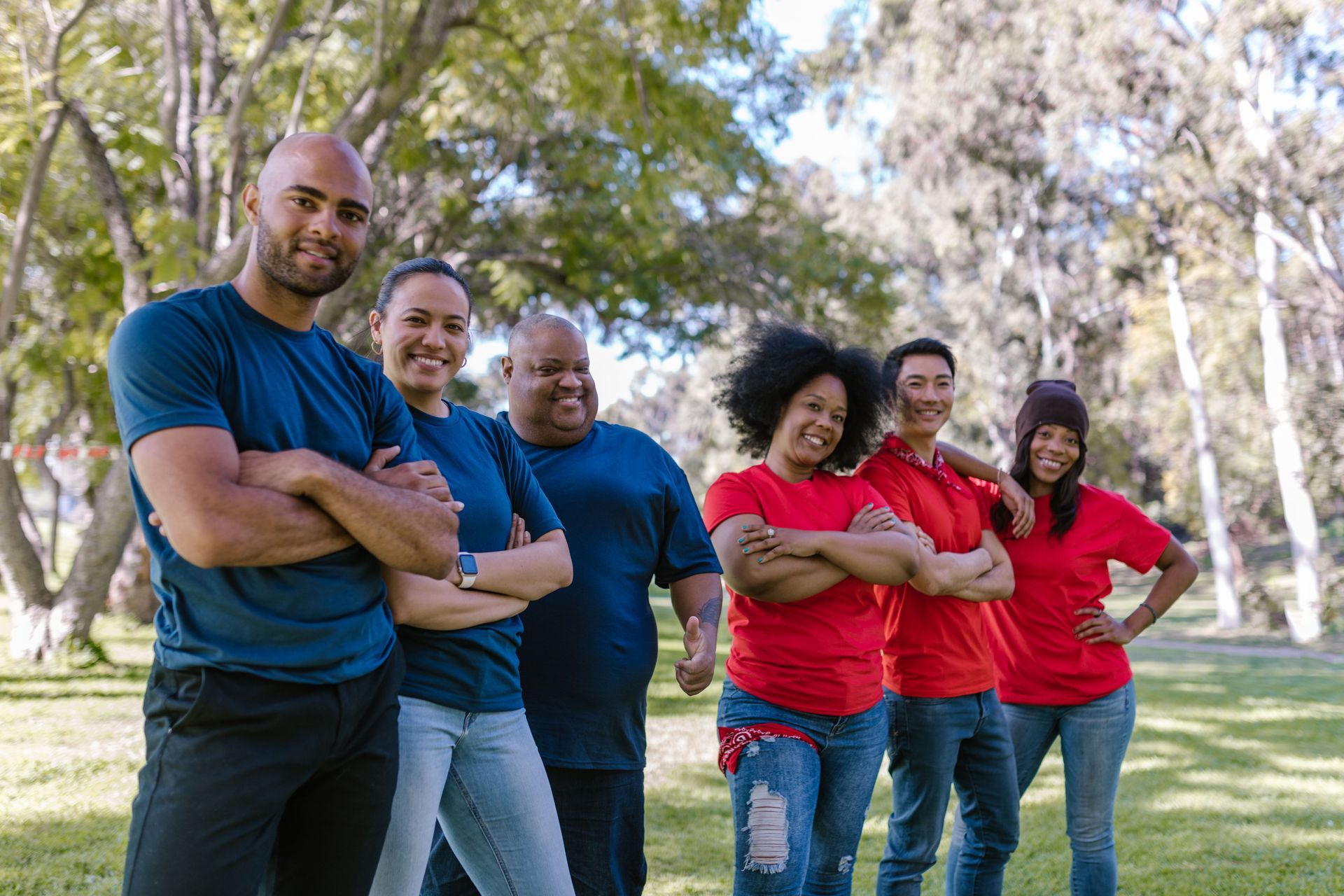
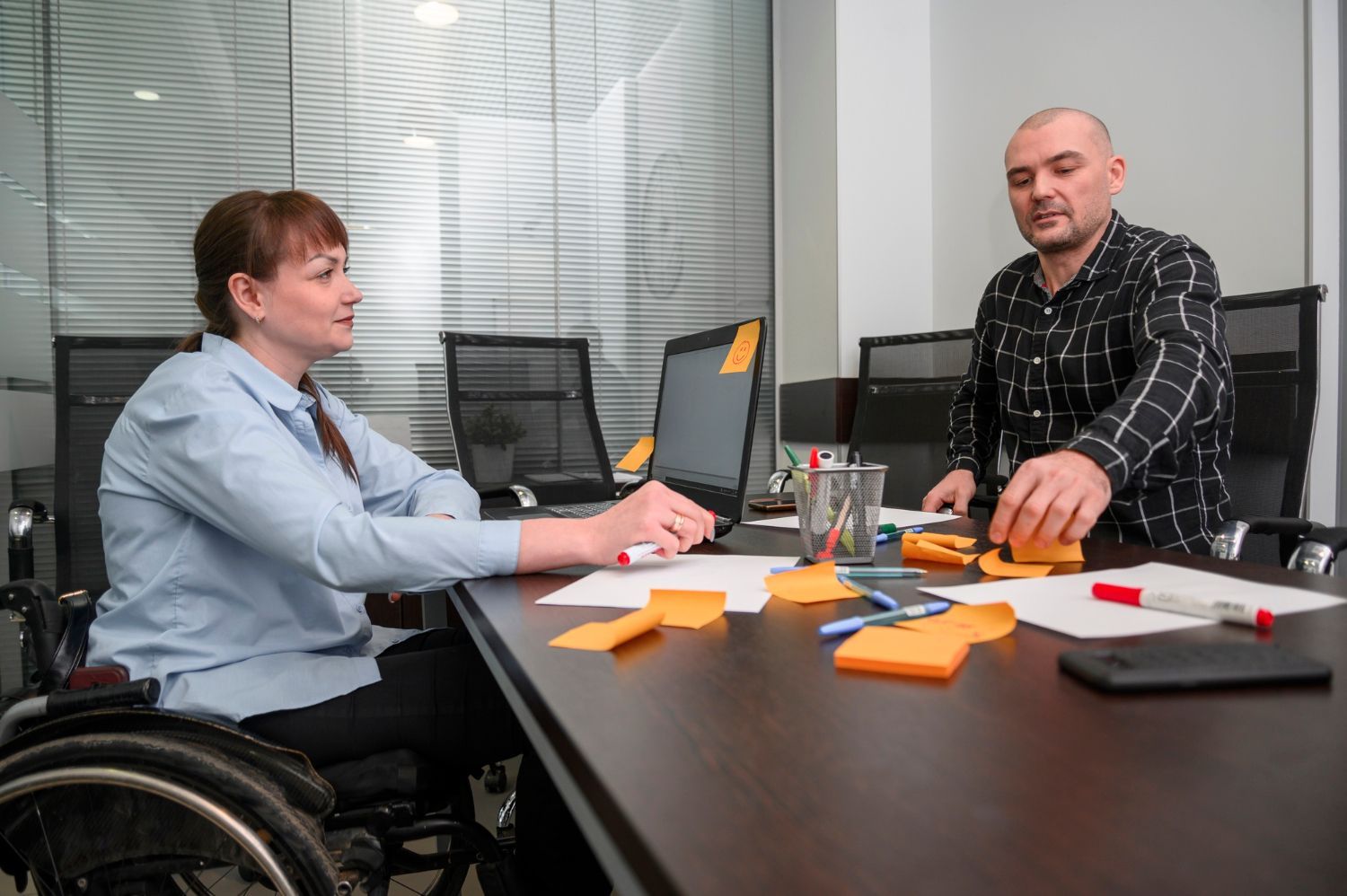
Support workers often collaborate with families, healthcare professionals and other team members. Strong interpersonal skills help facilitate effective teamwork.
Clear communication and mutual respect contribute to coordinated care.
Collaboration improves service delivery.
Balancing technical and human skills
While qualifications provide the necessary knowledge, soft skills determine how that knowledge is applied. A balanced combination of both ensures that support workers can deliver comprehensive care.
Organisations that prioritise soft skills in recruitment are more likely to achieve better outcomes.
The Pathway Talent approach
Pathway Talent recognises the importance of soft skills in disability support. We focus on preparing candidates who demonstrate both technical competence and strong interpersonal abilities.
Our approach ensures that support workers are equipped to deliver care that is both effective and compassionate.
Conclusion
Soft skills are just as important as qualifications in disability support roles. By focusing on communication, empathy and adaptability, support workers can create meaningful connections and deliver high quality care.
Pathway Talent remains committed to developing professionals who bring both skill and compassion to the NDIS workforce.